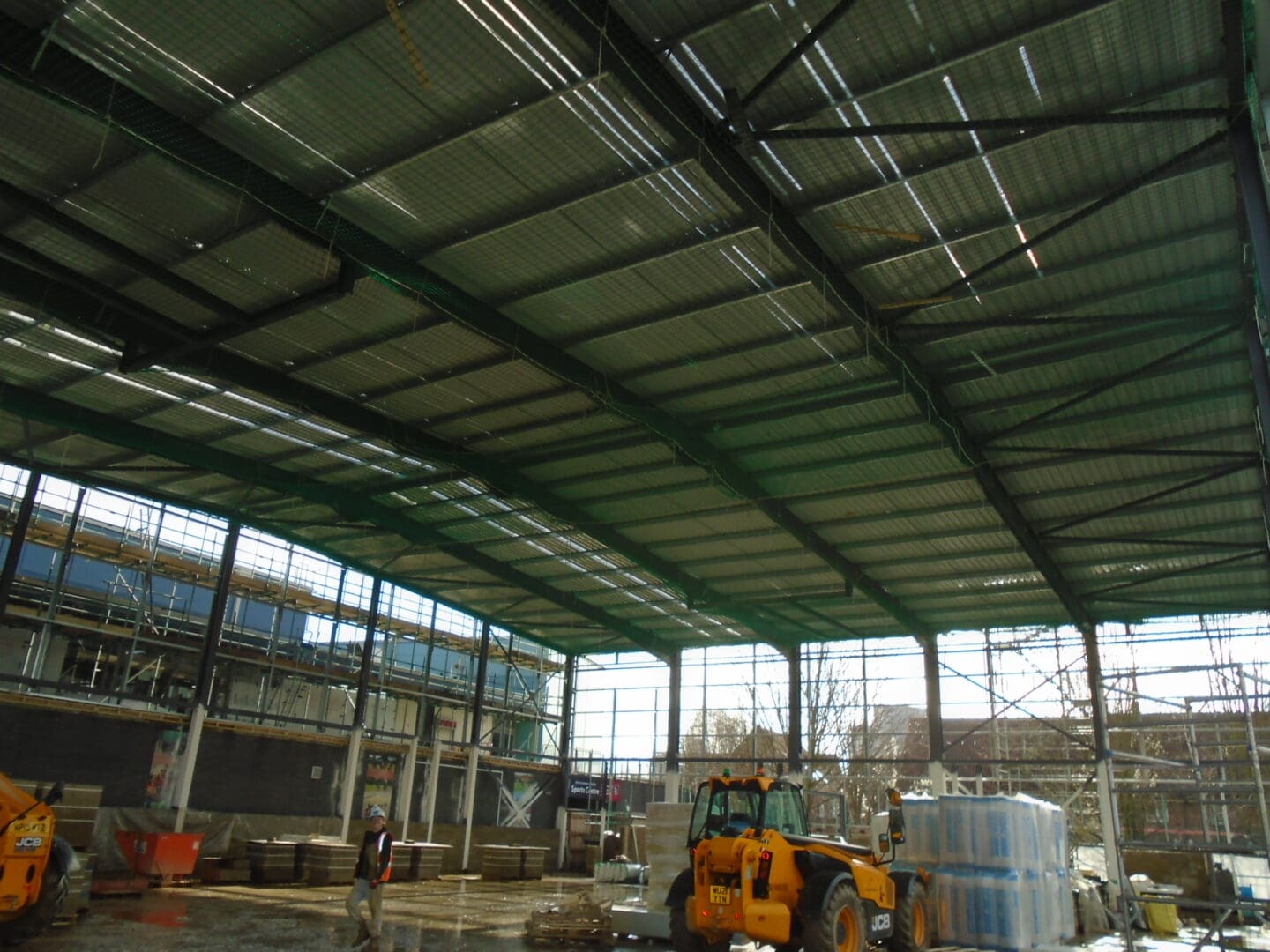
governance of Mansafe safety netting demands you grasp inspection regimes, installer competence and clear procedures to mitigate fatal fall risks, secure regulatory compliance and protect your assets. You must enforce scheduled checks, trained operatives and traceable records, and use certified solutions like Safety Nets • Fall Arrest Netting for reliable fall protection and reduced liability.
FASET framework and objectives
FASET sets out to harmonise governance across design, installation and lifecycle management so you can benchmark Mansafe systems against unified metrics; it aims for operator accountability, clear incident audit trails and measurable safety outcomes. Targets include system availability ≥99.9%, defined maintenance intervals and audit-ready compliance with national and ISO-aligned standards to reduce edge incidents in trials by up to 45-60%.
Core principles and governance pillars
You must apply five governance pillars: accountability, transparency, risk-based decision-making, evidence-led validation and continuous improvement. Each pillar defines roles, reporting cadence and data provenance so that unsafe failure modes are rapidly identified and mitigated. For example, the accountability pillar mandates named owners, monthly KPI reports and independent audits, while the evidence pillar requires bench and field validation with traceable test vectors.
Scope, system architecture and performance criteria
The scope covers product design, supplier qualification, installation, maintenance, telemetry and decommissioning; architecture layers include sensor array, edge analytics, control logic and operator UI. Performance criteria you must enforce are detection accuracy ≥95%, false alarm rate ≤2%, latency <200 ms and recovery modes that default to safe state on anomaly. Service-level agreements specify 6‑month maintenance and 24‑hour incident response.
Delving deeper, the sensor layer combines optical and strain sensors with hardware redundancy and watchdog timers so you maintain detection under sensor failure; edge analytics use validated ML models with hold-out test sets and explainability logs. Certification requires staged tests: lab endurance (50,000 cycles), environmental exposure (−20°C to 60°C) and a field pilot (≥90 days, ≥1000 platform-hours) with audit trails for every firmware change and operator intervention.
Regulatory landscape and standards
You must navigate a layered regime where statutory law, harmonised standards and insurer expectations intersect: Work at Height Regulations 2005 governs duty of care, while product and installation rules (and building control where applicable) demand documented design, testing and maintenance records so you can demonstrate compliance after inspections or incidents.
Applicable international and regional standards
Key references you rely on are the EN 1263 series for net performance and installation, supported by manufacturing quality standards such as ISO 9001; post‑Brexit the dual reality of UKCA and CE marking matters for cross‑border supply, and local HSE or regional codes can impose stricter anchor and inspection criteria.
Certification, conformity assessment and liability implications
Certification pathways you encounter include a Declaration of Performance (DoP), CE/UKCA marking and, where risk is higher, third‑party verification (BSI, BBA or notified bodies); you remain liable if inspection intervals (commonly every 6-12 months), anchor load tests (often at 1.5× design load) or installation records are absent, which insurers will scrutinise after any event.
For greater protection you should secure the supplier’s full technical file: lab drop‑test reports, mesh and joint break loads, signed installation certificates and a clear maintenance schedule; contractually allocate ongoing inspection duties, retain test and photographic records for at least 10 years, and prefer systems with independent certification to lower legal and insurance exposure.
Risk governance across the lifecycle
As you move from concept to decommissioning, governance must embed controls at every stage: procurement, design verification, site installation, ongoing inspection and disposal. Aligning contracts with FASET-certified installers and documented inspection regimes reduces ambiguity, while supplier accreditation and evidence-based acceptance tests stop unsuitable nets entering service. For deeper industry context on certification and contractor practice see Why Contractors Trust FASET-Certified Safety Netting – Revnet.
Design, testing and approval controls
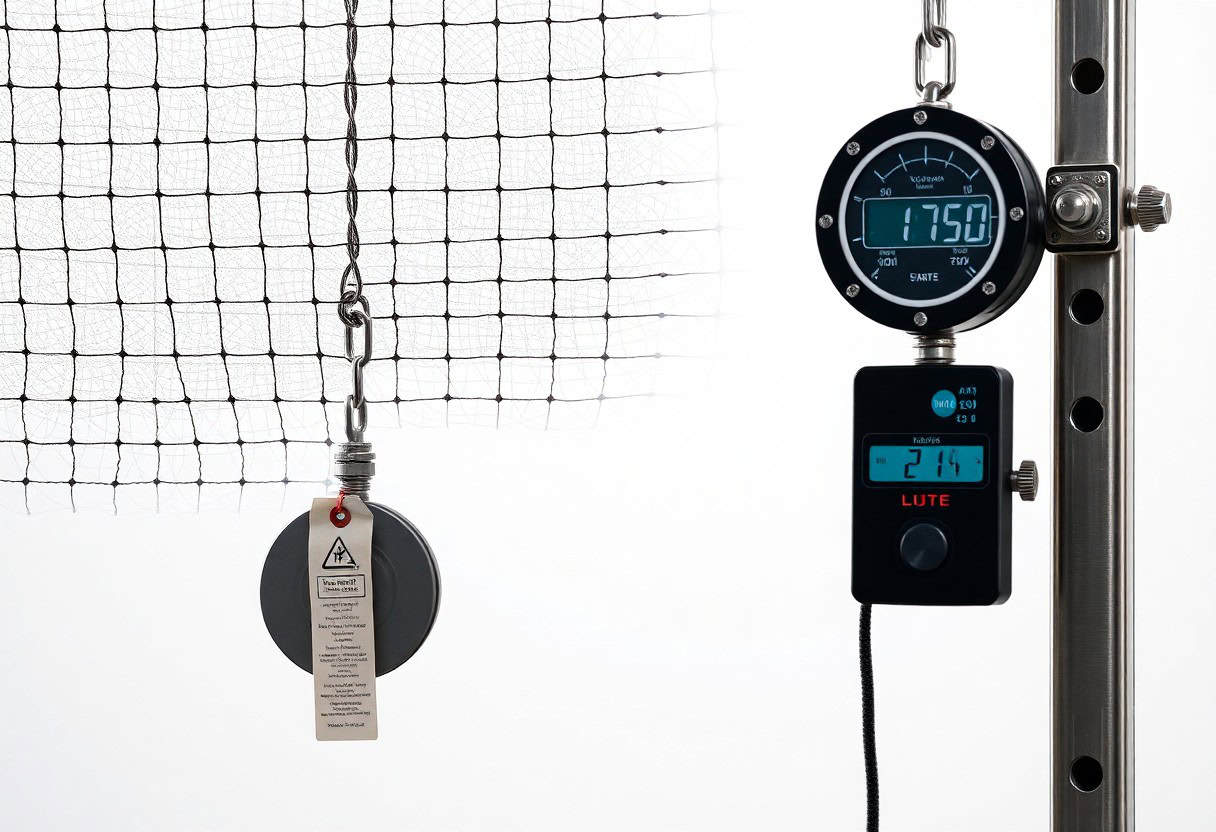
During design you should specify net capacity, sag tolerance and termination details; require static and dynamic testing that simulates fall energy (commonly 2-4 m drop tests) and proof loading of attachment points. Use engineering drawings with test certificates and an acceptance protocol; insist suppliers provide sample test reports and a design risk assessment so you can sign off predictable performance and avoid underspecified nets.
Installation, inspection, maintenance and incident response
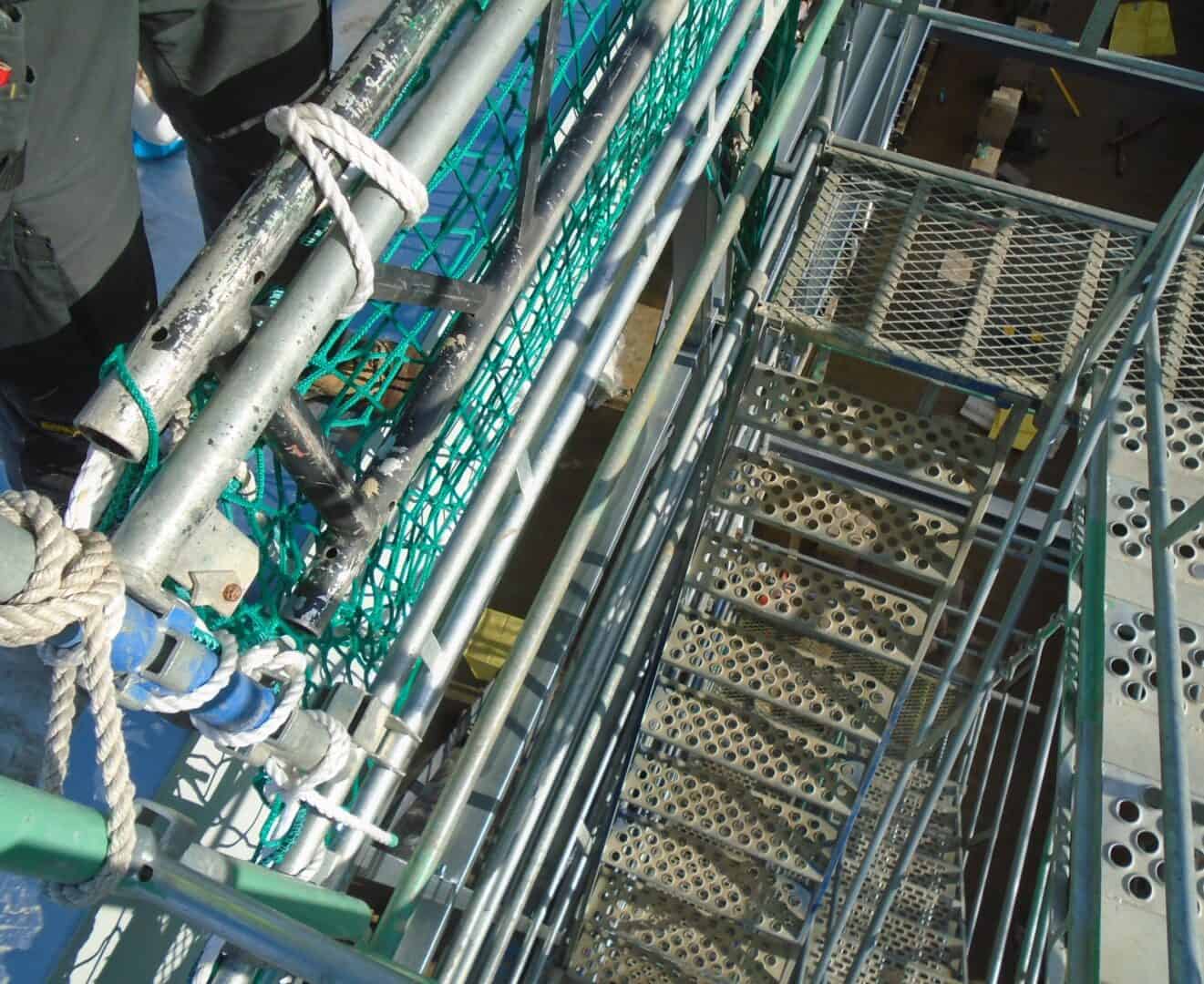
On site you must use trained teams for anchorage, tensioning and terminal details; carry out inspections prior to first use, at least weekly and after any impact, and remove from service immediately if damage is found. Keep a digital log of checks and remedial actions so you can produce records for audits and insurers within 24 hours of request.
Implement a written inspection checklist covering mesh integrity (tears, chafing), net-edge splice and sewing threads, connector wear and corrosion on anchors, tension values and label legibility; photograph every defect and record remedial work. Train your team with annual competency assessments and require calibration evidence for test rigs. Typically retain inspection records for at least three years; ensure incident response plans define roles, isolation, forensic preservation and notification to the principal contractor and insurer within 24 hours so you can investigate root cause and prevent recurrence.
Roles, responsibilities and accountability
You must map obligations across the supply chain so liability is unambiguous: manufacturers supply conformity documentation to standards such as EN 1263‑1, installers certify correct anchorage and employers manage ongoing use under the Work at Height Regulations 2005. Audits, traceable serial numbers and a nominated duty holder ensure incidents are investigated and corrective actions assigned, because failures in netting have direct legal and safety consequences and often hinge on clear, documented accountability.
Manufacturers, installers and suppliers
You are expected to provide detailed technical files, declared load ratings, installation drawings and maintenance schedules; compliance with EN 1263‑1 testing and a clear design life statement are vital. Installers must demonstrate competence-ideally via recognised training-and verify anchor capacities and clearances on site, since incorrect anchorage or mismatched components is a leading cause of system failure.
Employers, facility owners and end‑users
You need to carry out risk assessments, appoint a competent person for net inspection, and maintain written records of inspections, repairs and training. Regular site audits and a documented maintenance regime reduce exposure; failure to act exposes you to enforcement under HSE guidance and increases the likelihood of serious harm where netting is relied upon as a primary collective protection.
You should require pre‑use checks every shift, immediate post‑impact removal for forensic inspection and a scheduled thorough examination-commonly every 6-12 months depending on environment and use. Keep serialised component records and photographic evidence, enforce refresher training for operatives, and never permit reuse of a net without a certified inspection because recycling a damaged net substantially raises the risk of collapse.
Data, monitoring and digital oversight
You will need integrated telemetry, audit trails and role‑based dashboards to make operational decisions in real time; typical deployments sample at between 0.01-1 Hz depending on event criticality, use TLS 1.2/1.3 encryption in transit and retain structured telemetry and incident logs for industry norms of 2-7 years, while compliance with ISO 27001 practices and HSE reporting cycles shapes retention, access and incident reporting rules.
Sensorization, telemetry and data governance
You should deploy a mix of load cells, strain gauges, accelerometers and environmental sensors (wind, temperature) with edge filtering to reduce false alarms; a typical bay uses 8-48 sensors, producing on the order of megabytes per day per bay, and you must enforce firmware signing, tamper detection and role‑based access so that unauthorised control or data manipulation cannot defeat safety alarms.
Predictive maintenance, AI oversight and cyber‑physical assurance
You can apply time‑series anomaly detection and supervised models to predict net wear, cord fatigue and anchor loosening using historical sensor traces and inspection records; governance requires model versioning, documented training datasets, explainable outputs for operators and a human‑in‑the‑loop override to mitigate false negatives and unsafe automation.
You should implement a retraining cadence (typically quarterly or after any incident), test models against held‑out incident sets with target metrics (operators often aim for >90% recall on safety events), and combine continuous integration of firmware with vulnerability scanning, signed updates and end‑to‑end logging so that your AI decisions are auditable and the cyber‑physical chain maintains integrity, availability and traceability.
Final Words
So you should treat FASET and the governance of Mansafe safety netting systems as a managed safety system: you must enforce clear governance, planned inspection regimes, competent training, and documented maintenance to ensure consistent performance and legal compliance. Your audits and reporting should reference recognised guidance such as Safety nets and soft landing systems, and your procedures should deliver accountable, auditable outcomes for worker protection.