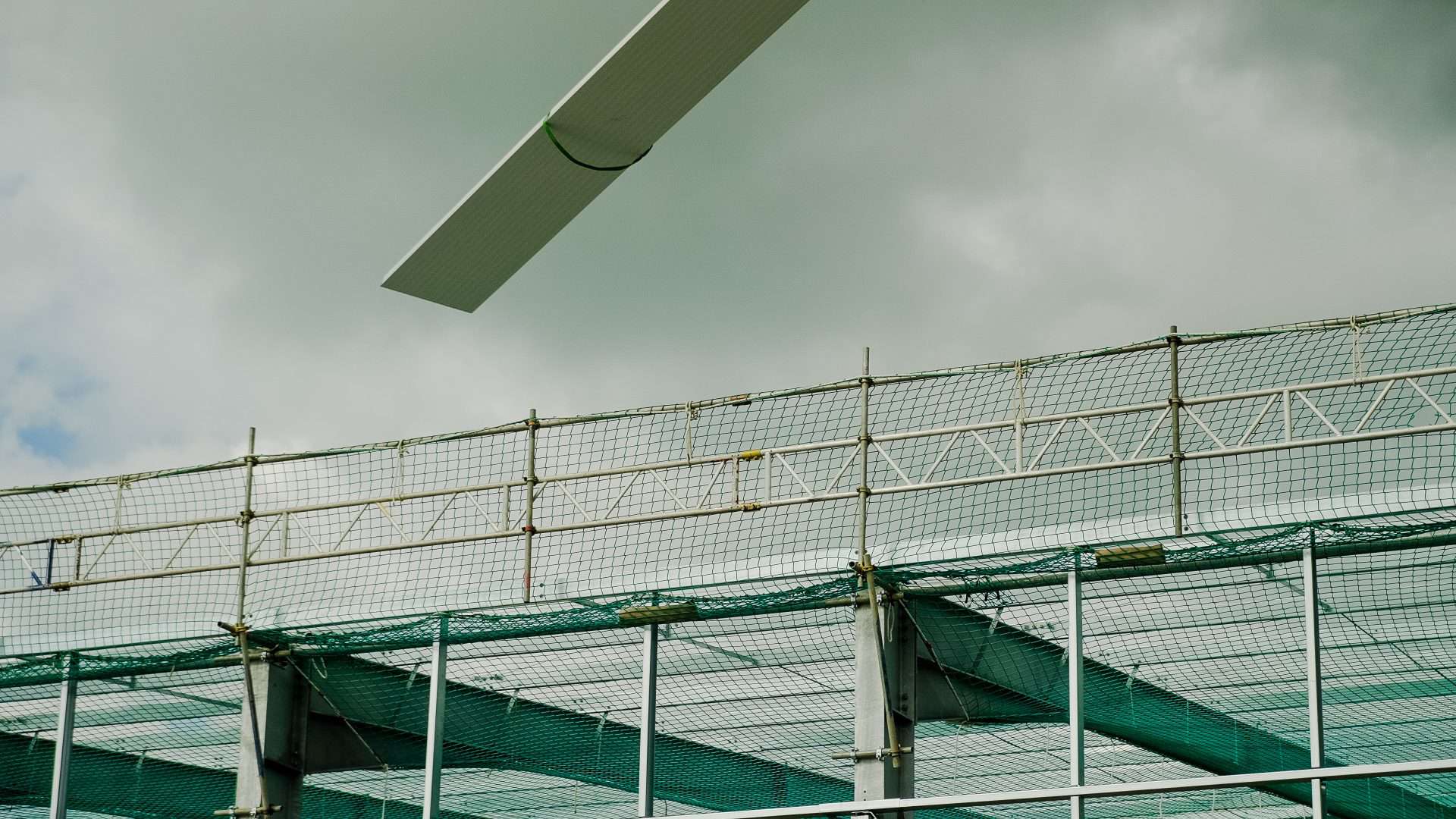
Safety on site begins with robust edge protection: you must guard open edges to prevent fatal injuries and avoid hefty legal penalties. Properly installed systems protect your workforce, reduce liability and maintain compliance so your projects finish on time and within budget.
Understanding Edge Protection
Definition of Edge Protection
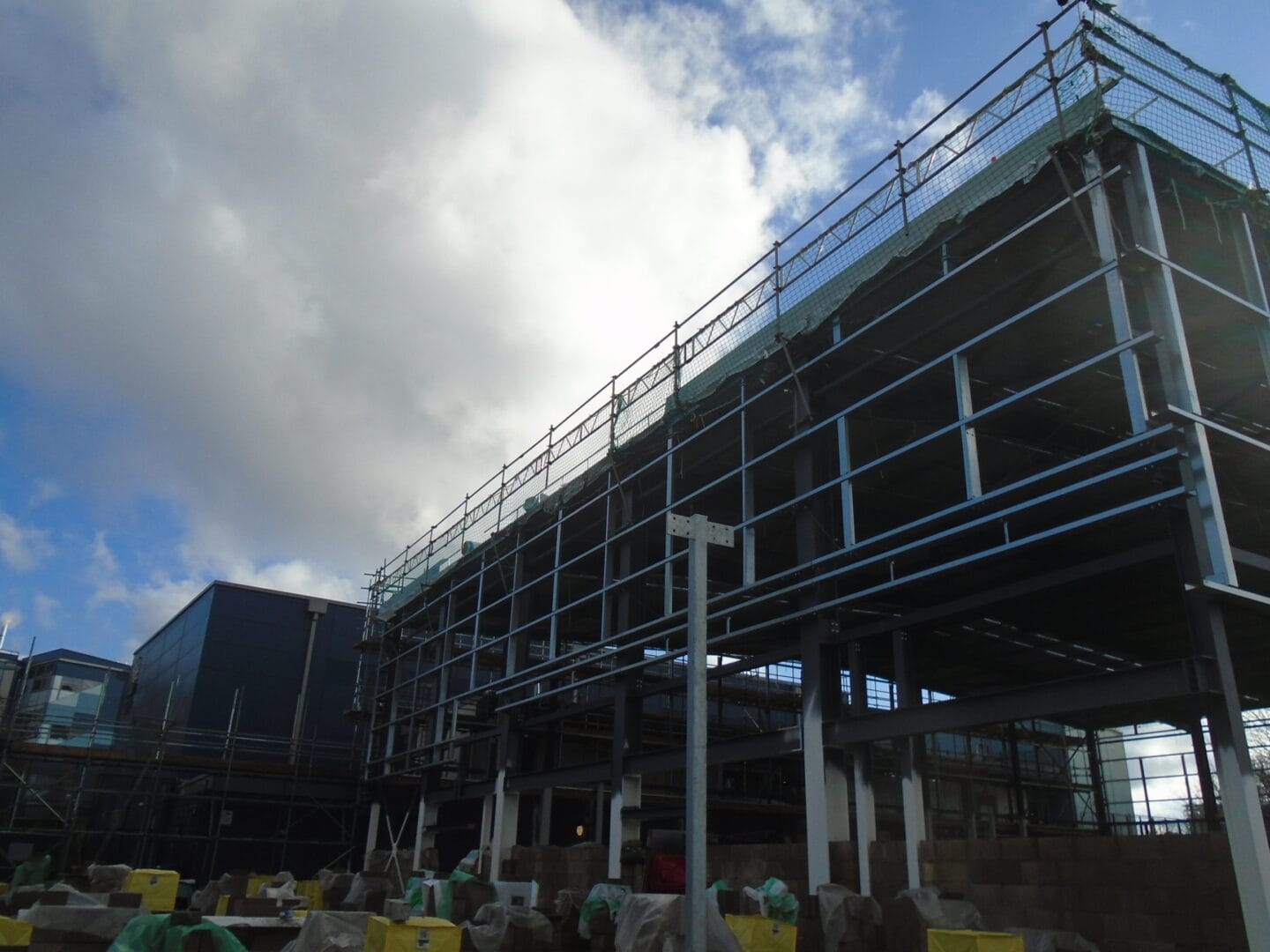
You rely on edge protection to prevent falls and falling objects at exposed perimeters, combining physical barriers like guardrails, toe boards and debris netting with anchors and fixings you trust; standards often require systems to withstand around 0.7 kN lateral loads in testing. This protects your workforce and site assets.
- Guardrails form the primary barrier to falls
- Toe boards prevent tools and materials from falling
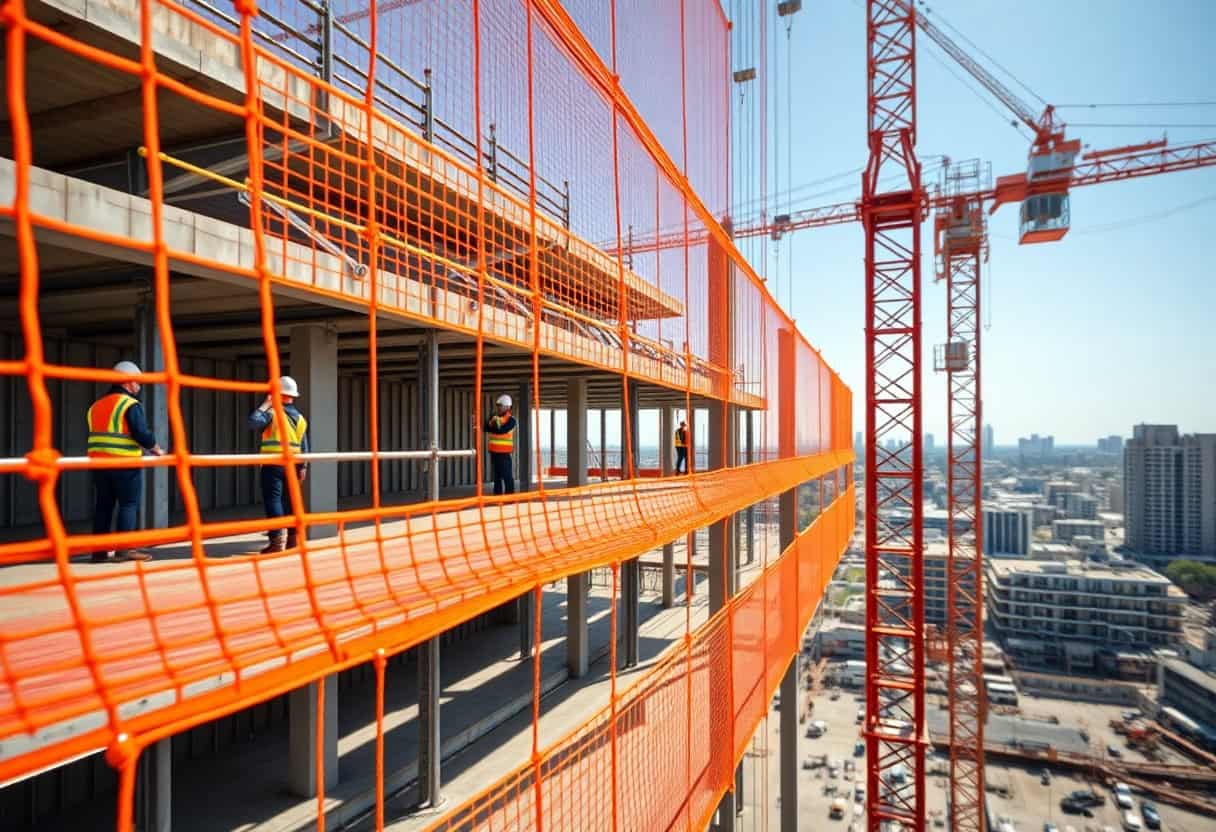
- Netting contains debris below working areas
- This helps you meet statutory duties and reduce incidents
| Guardrail | Prevents people falling over the edge |
| Toe board | Stops tools and materials slipping off |
| Midrail | Reduces gap beneath the top rail |
| Debris netting | Arrests falling materials and fragments |
| Anchors/fixings | Secure systems to the structure |
Types of Edge Protection Systems
You will encounter permanent parapet-based systems, temporary modular handrails, freestanding ballast-supported posts and safety nets, plus anchor points for harnesses; selection depends on duration, load requirements and access constraints, with many sites favouring modular systems for speed. This lets you match system performance to task risk.
- Permanent parapet suited to long-term roof edges
- Temporary handrail ideal for short-term works and scaffolds
- Freestanding posts avoid roof penetrations during refurbishment
- This enables you to balance protection, cost and installation time
| Permanent parapet | Long-term roof edge protection |
| Temporary handrail | Quick-install for short projects |
| Free-standing posts | No fixings to roof membrane |
| Roof anchors | For fall-arrest harness systems |
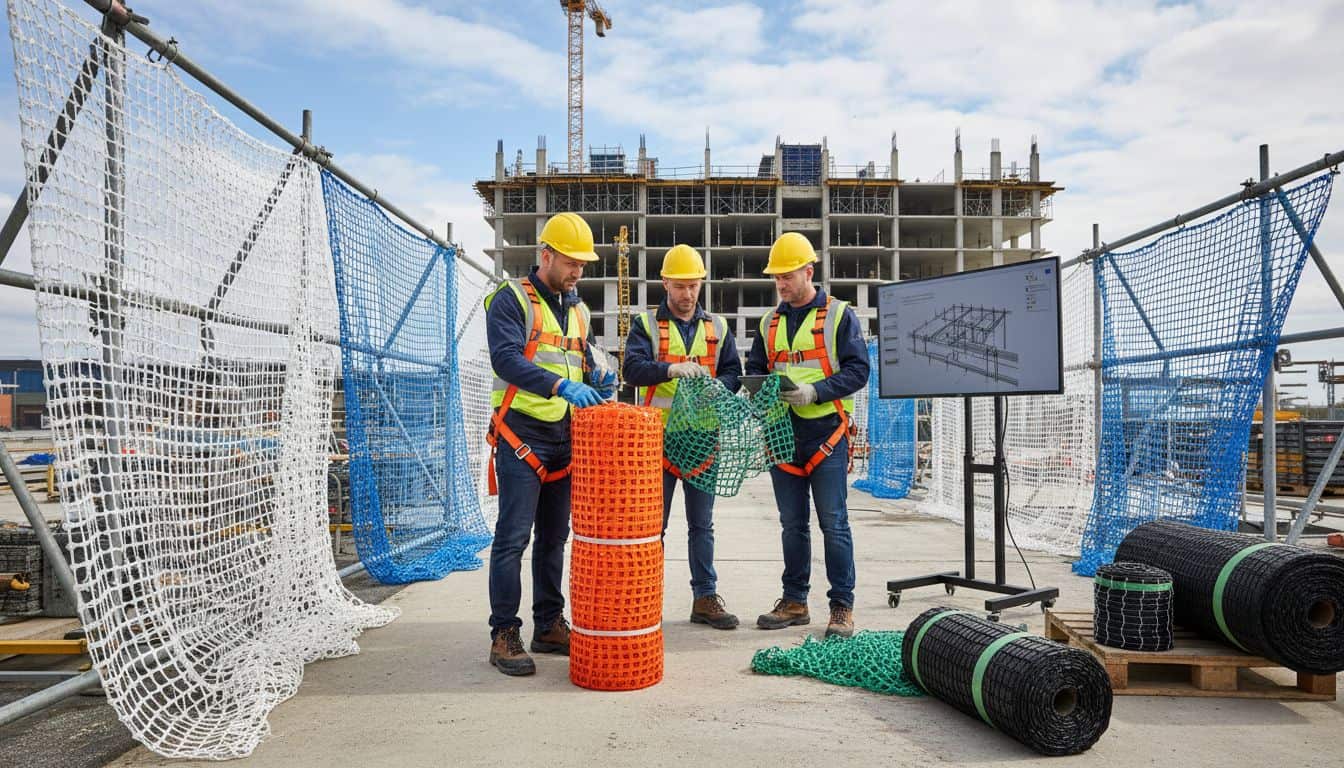
| Safety nets | Catch debris or personnel in specific zones |
You should assess each system against site metrics-weight limits, clearance, expected wind loads and worker frequency; for example, a freestanding system may require 200-400 kg of ballast per post on a lightweight roof, whereas a parapet-mounted rail demands structural verification. This lets you quantify risks and plan safe, compliant installation.
- Load capacity dictates ballast or fixings required
- Clearance ensures fall distance is controlled under nets
- Inspection frequency affects ongoing competency needs
- This allows you to implement the most appropriate system for the site
| Permanent parapet | Requires periodic maintenance and checks |
| Temporary guardrail | Fast to install but needs daily checks |
| Free-standing | Relies on correct ballast and placement |
| Anchor systems | Need certification and pull-testing |
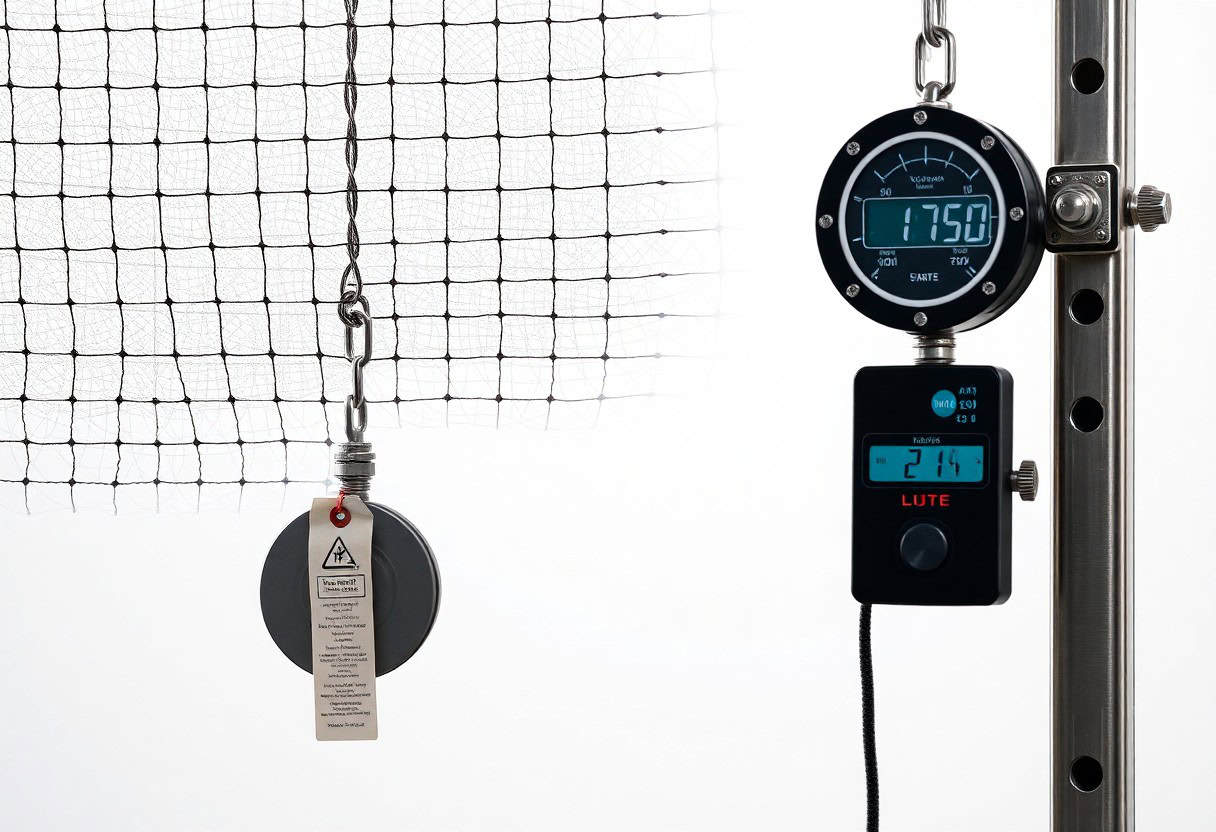
| Safety nets | Require clearance calculations and energy absorption checks |
Importance of Edge Protection
When you leave edges unguarded you expose workers to fatal falls and costly stoppages; installing compliant systems like those described in What Is Edge Protection? reduces that risk. Practical details matter: a typical installation uses a toprail at 900-1,100mm, an intermediate rail and a toe board of at least 150mm, meeting BS EN 13374 for temporary protection and preventing tools or materials falling from height.
Safety and Risk Mitigation
You must treat edge protection as an active risk-control: HSE statistics show falls from height account for about a third of construction fatalities, so fit systems that resist lateral loads, provide continuous coverage across openings and include toeboards to stop dropped tools; for example, a continuous guardrail around scaffold perimeters cuts near-misses and injuries significantly on sites with multi-level working.
Compliance with Regulations
You are legally obliged under the Work at Height Regulations to select suitable edge protection and ensure it is installed by competent persons; systems should comply with standards such as BS EN 13374 and be specified in your site risk assessments and method statements to avoid enforcement action and prosecution.
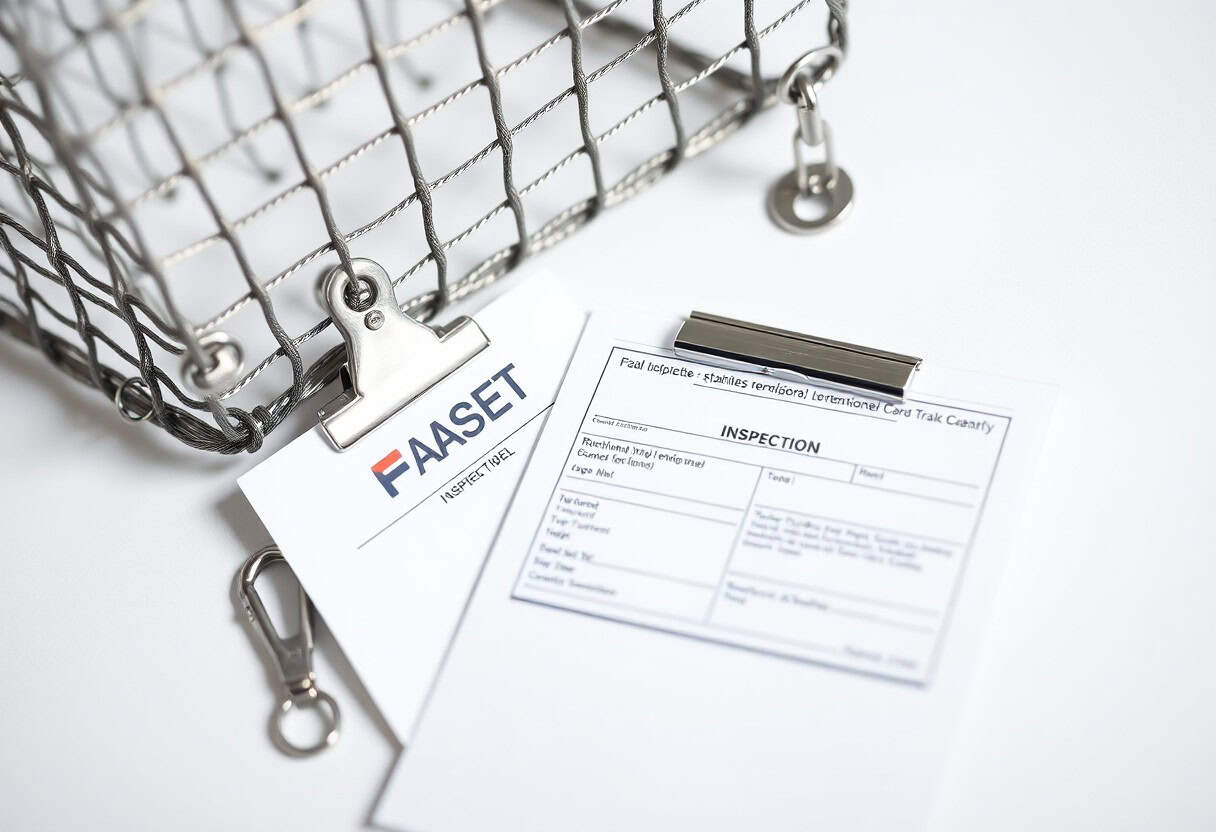
In practice you must document responsibility, carry out written risk assessments, and schedule regular inspections-daily checks after adverse weather or any alteration, plus formal recorded inspections weekly or following events that could affect integrity; competent personnel must remove or tag unsafe systems until remedied to maintain compliance and protect your workforce.
Key Components of Edge Protection
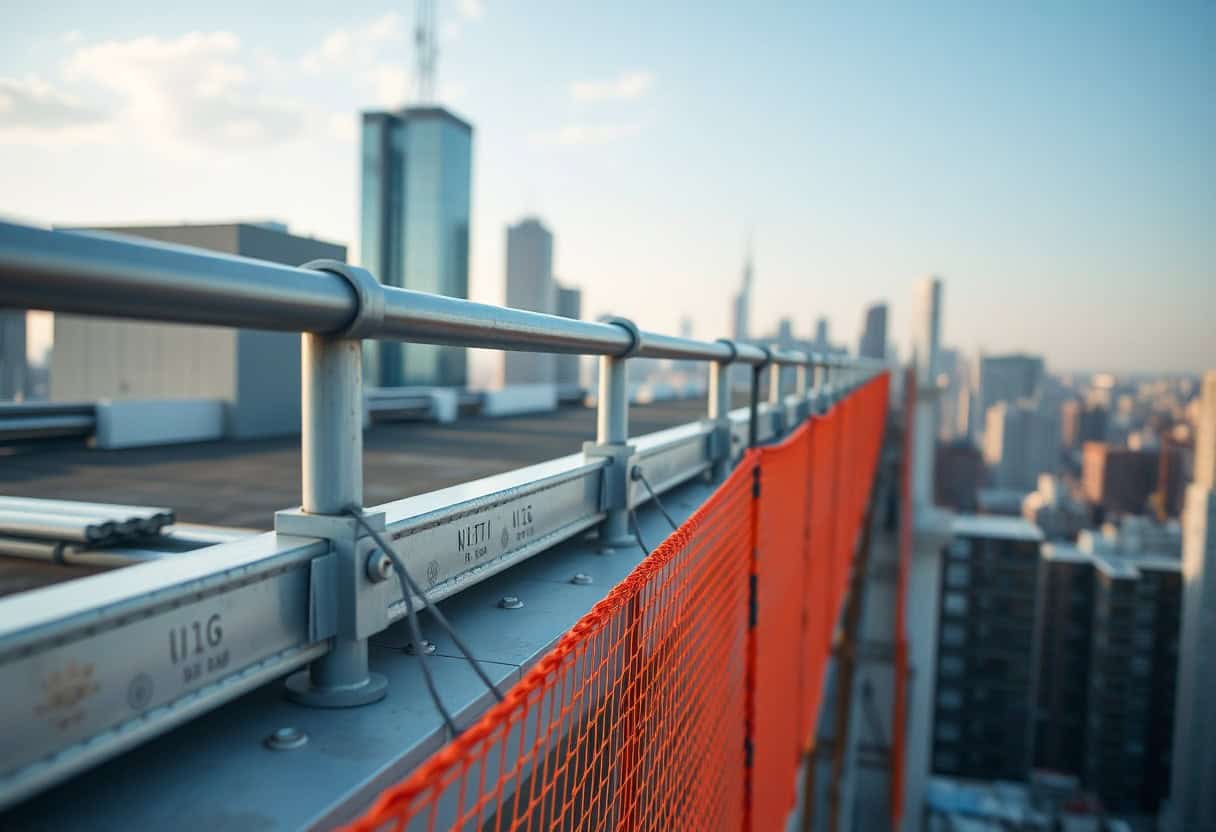
Effective edge protection is a system of interdependent parts: load-bearing posts, top and mid rails, toe boards and infill that together stop falls and falling objects. You must specify products tested to BS EN 13374 or BS 6180, with a minimum top-rail height of 1100mm for permanent works and 950-1100mm commonly used for temporary systems. Practical choices reduce installation time, maintenance and the risk of serious injury from falls.
Structural Elements
Posts are typically spaced at 1.5-2.0 metres, fixed to the substrate with mechanical anchors or counterweights; you should choose galvanised steel or aluminium rails for corrosion resistance. Midrails and mesh infill prevent body passage, while toe boards of at least 150mm stop tools falling. Pay attention to connection details and substrate load capacity – poor anchors are the most common failure point on refurbishment sites.
Safety Features
Integrate handrails, self-closing access gates, visual edge markings and debris netting so you protect both people and materials. Regular inspections, clear signage and accessible anchor points for harnesses reduce risk. Statistics show falls from height remain the leading cause of construction fatalities, so these features are active safeguards that must be matched to the work phase and exposure.
Specify guard systems to the required load class (Class A, B or C under BS EN 13374) and install anchor points or vertical lifelines at intervals suited to your harness system. You should carry out daily visual checks, record weekly formal inspections and replace any worn components immediately; in coastal or chemically aggressive environments plan increased maintenance because accelerated corrosion rapidly undermines protection.
Installation of Edge Protection
Begin by establishing a safe perimeter and verifying that the structure can accept loads from posts and ties. Install systems so the top rail sits at approximately 1.1 m, intermediate rails are fitted and toe boards are at least 150 mm high; post spacing is commonly kept to around 2 m. Ensure components are free of damage, follow the manufacturer’s sequence, and tag the system as inspected before anyone works at height.
Planning and Design Considerations
Survey your site to identify fall heights, roof slopes and ground conditions, and incorporate the Work at Height Regulations threshold of 2 m into decisions. You should select aluminium for ease of handling on tight lifts or steel for heavy-duty, long-term projects, and factor in wind loads for façades above 6 m. Engage a competent designer where anchor design or unusual loads are present.
Best Practices for Installation
Sequence your works: set base plates, erect posts plumb, fit rails and toe boards, then apply ties and bracing; keep a maximum post spacing of about 2 m and ensure couplers are fully engaged. Use a written checklist, conduct a visual inspection daily and a documented inspection weekly, and mark components with inspection tags so you can prove the system was reviewed before use.
Common errors to avoid include using bent or worn components, omitting toe boards, and removing ties prematurely. You must follow manufacturer load tables, keep a site register of installers and inspections, and train at least one competent person per shift to enforce standards; doing so reduces incidents and ensures the protection remains effective throughout the programme.
Maintenance of Edge Protection Systems
You should schedule routine maintenance that goes beyond visual checks: clean debris from baseplates, remove standing water to prevent corrosion, and lubricate swivel clamps. Carry out a documented monthly service where you tighten fixings to manufacturer torque settings, inspect welds with a magnifier for hairline cracks, and keep a stock of galvanised spares to replace failing parts quickly, reducing downtime and exposure to falls.
Regular Inspections
You must inspect edge protection before each shift and carry out a formal weekly inspection by a competent person, plus immediately after storms or impacts. Use a checklist covering post verticality, handrail height (typically 1.0-1.1 m), toe board integrity, and base anchorage. Log date, inspector name and remedial actions so you can spot recurring defects and demonstrate compliance.
Repair and Replacement Guidelines
You should remove from service any component with bent posts, fractured welds, missing fixings or handrails outside the 1.0-1.1 m range; fractured welds and loose anchors present the greatest hazard and must be replaced immediately. Fit manufacturer-approved or equivalent galvanised parts, replace toe boards where gaps exceed 10 mm, and avoid temporary fixes that don’t restore original load-bearing capacity.
When repairing you must isolate the affected area with temporary barriers and tag out defective sections until replacement is completed. Use a competent contractor to install parts, then perform the manufacturer’s functional checks or an EN 13374-compatible test where specified. Keep spare posts at a ratio of roughly 1 per 20 m run on larger sites and record repair dates, replacement part serials and any load-test results to create an auditable maintenance trail.
Case Studies: Successful Edge Protection Implementation
Across several projects you can see how edge protection transforms site safety: one contractor reported a 95% drop in reported falls after standardising systems and training, while another cut incident-related downtime by 82%. For practical guidance and definitions, consult What is Edge Protection? to align your specifications with proven practice and regulations.
- 1. Riverside Apartments, London – 12-storey residential tower, 80 workers; temporary edge protection installed at 2m post centres; result: zero fall-from-height incidents over a 9-month build; system cost £13,400; inspection frequency weekly.
- 2. Coastal Windfarm Platform, Wales – offshore access deck refurbishment; modular guardrail with stainless ties; 45 workers; saved 120 man-hours/incident avoidance; investment £27,500; wind-loading tested to 1.5x expected loads.
- 3. Retrofit Office Block, Manchester – phased fit-out across 6 floors; temporary edge screens reduced debris ejections by 88%; toe boards 150mm; lost-time incidents fell from 7 to 1 per quarter.
- 4. Highway Viaduct Repair, Midlands – nightshift operations with high traffic risk; cantilever edge barriers and trained crews; near-miss reports dropped by 70%; emergency access plan shortened rescue time by 40%.
- 5. School Extension, Bristol – lightweight aluminium posts, rapid-deploy system for weekend works; 30 workers; setup time cut by 60% compared with scaffold edge methods; overall project saved £4,200 in labour.
Construction Industry Examples
On multi-storey construction you’ll often find that specifying edge protection with 1.1m guardrail height and 150mm toe boards, plus posts at around 2m centres, yields measurable safety gains: one contractor reported a 92% reduction in fall-related near-misses after adopting these standards across 15 sites.
Lessons Learned
You must treat selection, installation and training as a single system: inappropriate spacing, poor anchorage or gaps during handover created most failures in reviewed cases, while proactive inspections and crew briefings delivered the biggest safety improvements.
More specifically, you should enforce documented inspection intervals, keep a log of defects and remedial actions, and use load-rated anchors for tiebacks; projects that adopted fortnightly checks and post-installation load verification cut equipment failures by over 60%. Prioritise worker competence – brief every shift, use competency cards, and ensure your drawings specify guardrail heights, post centres and toe-board dimensions so you avoid on-site improvisation that creates hazardous exposures.
Conclusion
Considering all points, you should implement robust edge protection on your site to prevent falls, protect workers and the public, comply with regulations and reduce liability, and maintain project continuity; effective edge protection is a practical investment that safeguards your workforce, preserves assets and demonstrates your commitment to professional, safe site management.
FAQ
Q: What is edge protection?
A: Edge protection is a system of physical barriers installed at the open edges of buildings, roofs, platforms and excavations to prevent falls. Typical components include top and mid rails, vertical posts or stanchions, toe boards and sometimes debris netting or catch platforms. Systems can be temporary (tube and fitting, modular guardrail) or permanent (integrated parapets and balustrades) and are designed and tested to standards such as BS EN 13374. Edge protection can be freestanding, temporary fixed to structure or fully handrailed into the fabric of the building depending on site requirements.
Q: Why does every site need edge protection?
A: Edge protection reduces the risk of falls and falling objects, protecting workers and the public and helping duty-holders meet legal obligations such as the Work at Height Regulations 2005 and the Health and Safety at Work etc. Act 1974. It lowers the likelihood of serious injury, reduces downtime and insurance claims, and supports safe working practices across different trades. Even short-duration tasks at low heights can produce severe outcomes, so a proportionate edge-protection solution is a practical way to mitigate hazard exposure on virtually every construction or maintenance site.
Q: How should edge protection be selected, installed and maintained?
A: Selection should follow a site-specific risk assessment that considers height, edge geometry, wind exposure, loadings and duration of work. Choose a system compliant with relevant standards (eg BS EN 13374 classes A/B/C), ensure competent personnel install it, and verify anchorings and handrail heights meet specification. Inspect systems before each use and undertake formal checks at regular intervals and after events such as severe weather or impact. Maintain records of inspections, provide worker training on escape routes and use of openings, and remove or modify protection only under controlled procedures with interim safeguards in place.