It’s vital that you employ FASET-trained installers for safety netting systems because they ensure nets are fitted and inspected to industry standards; by choosing certified teams you protect your workforce, meet compliance and minimise downtime, and you can learn more from The importance of safety nets when working at height, while trusting competent, accredited installers safeguards both people and project reputation.
The role of FASET training in safety netting systems
When you deploy safety netting, FASET training ensures your team understands correct installation, inspection and documentation, and that work aligns with industry recognition such as the FASET-CSCS Partnership Offers Benefits for At-Height Workers. Training focuses on preventing fall-from-height and dropped-object incidents through assessed practical skills, competency records and manufacturer-specific procedures so your nets are performance-checked before use.
Standardized competencies and quality assurance
You gain consistent outcomes because FASET sets defined skill standards, assessment criteria and compulsory refresher periods; trainers verify practical tasks such as anchorage installation and net tensioning, and you keep competence records for audits. That standardisation reduces rework, supports compliance with CDM duties and can lead to fewer site incidents and measurable quality assurance across projects.
Identification of system-specific hazards and mitigations
You learn to spot hazards unique to each netting system: incorrect overlap, inadequate anchorage, wrong fixings, weather-related degradation and tool-drop risks. Training teaches mitigations such as manufacturer load checks, edge detailing, tool tethering and documented pre-use checks so you can address the highest-risk failure modes before work proceeds.
For example, you are trained to follow manufacturer torque settings and use load-rated anchors, to conduct a documented pre-shift inspection and to record weekly detailed checks; where a façade has complex geometry you apply bespoke anchorage patterns and tag nets with inspection dates, eliminating ambiguity and creating an auditable trail of mitigations for your project managers and clients.
Regulatory, insurance, and liability implications
You must meet statutory obligations such as the Work at Height Regulations 2005 and standards like BS EN 1263-1 and 2; employing FASET-trained installers creates a verifiable audit trail that inspectors and insurers expect. Having certified installation records reduces your exposure to enforcement action and disputed claims – see Fall Arrest Safety Netting for product and installation details.
Compliance with industry standards and local codes
You should insist that nets are specified, installed and tested to BS EN 1263-1 and 2 and local building control requirements; FASET-trained teams follow written method statements, carry out daily visual checks and formal inspections determined by your risk assessment (commonly 12‑month thorough examinations), and supply documented evidence for audits and enforcement visits.
Impact on insurance, warranties, and legal defensibility
You will find insurers commonly require proof of competent installation: absence of FASET certificates, installation records or maintenance logs can lead to claim limitation or repudiation. Manufacturers often condition warranties on approved installers, so using trained personnel protects both your insurance cover and warranty rights.
Strengthen your position by supplying the installation dossier, load‑test certificates, photographic evidence and 12‑month maintenance records; underwriters and courts routinely give significant weight to FASET certificates and signed installation records when assessing negligence, whereas undocumented installations frequently increase the likelihood of disputed claims and higher settlement costs.
Technical competencies and installation best practices
You apply FASET training when mapping load paths, marking anchor centres and setting net overlaps; for horizontal nets you commonly space anchors at 1.5-2.0 metres depending on span and deflection limits under EN 1263-2. You must tension nets to manufacturer sag specifications, protect edges with sleeves or capping, and document every torque or proof test so clients can verify compliance; installers with FASET experience typically reduce rework and significantly lower the risk of progressive failure on complex façades.
On-site testing, inspection, and documentation protocols
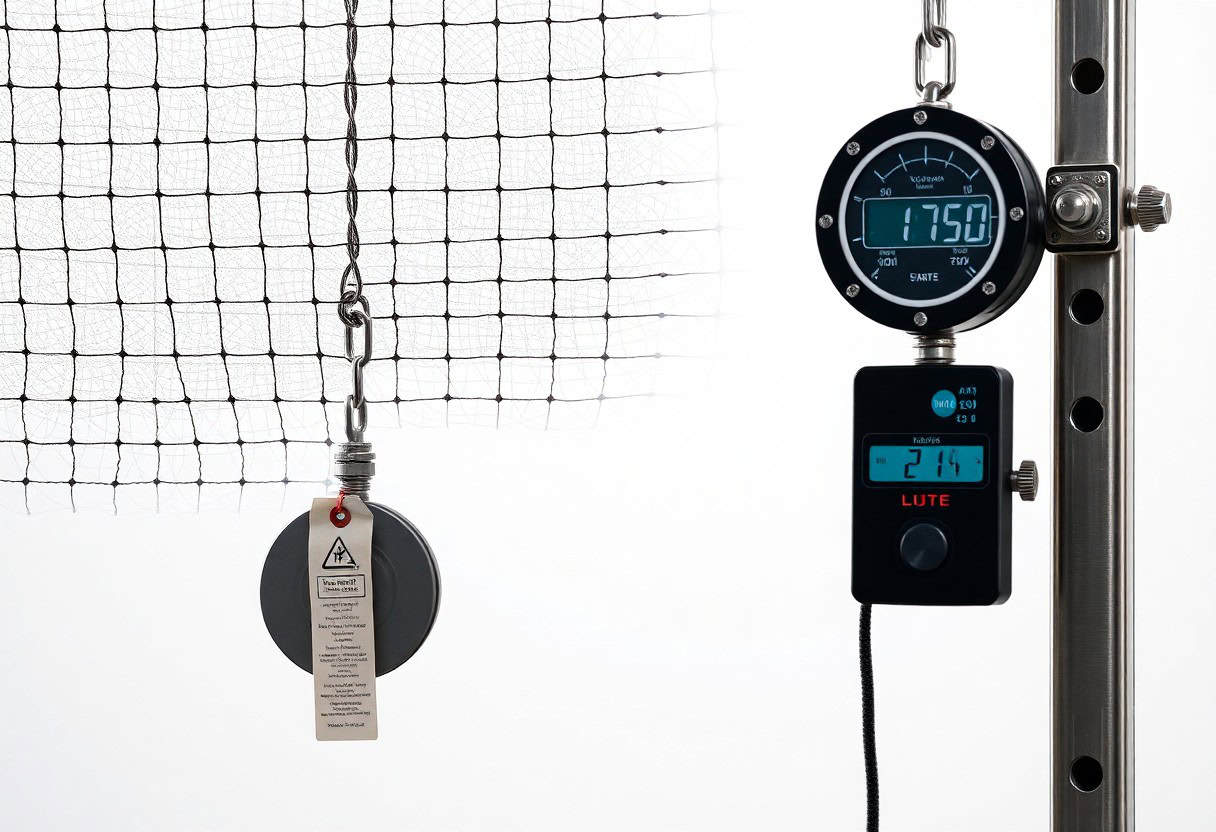
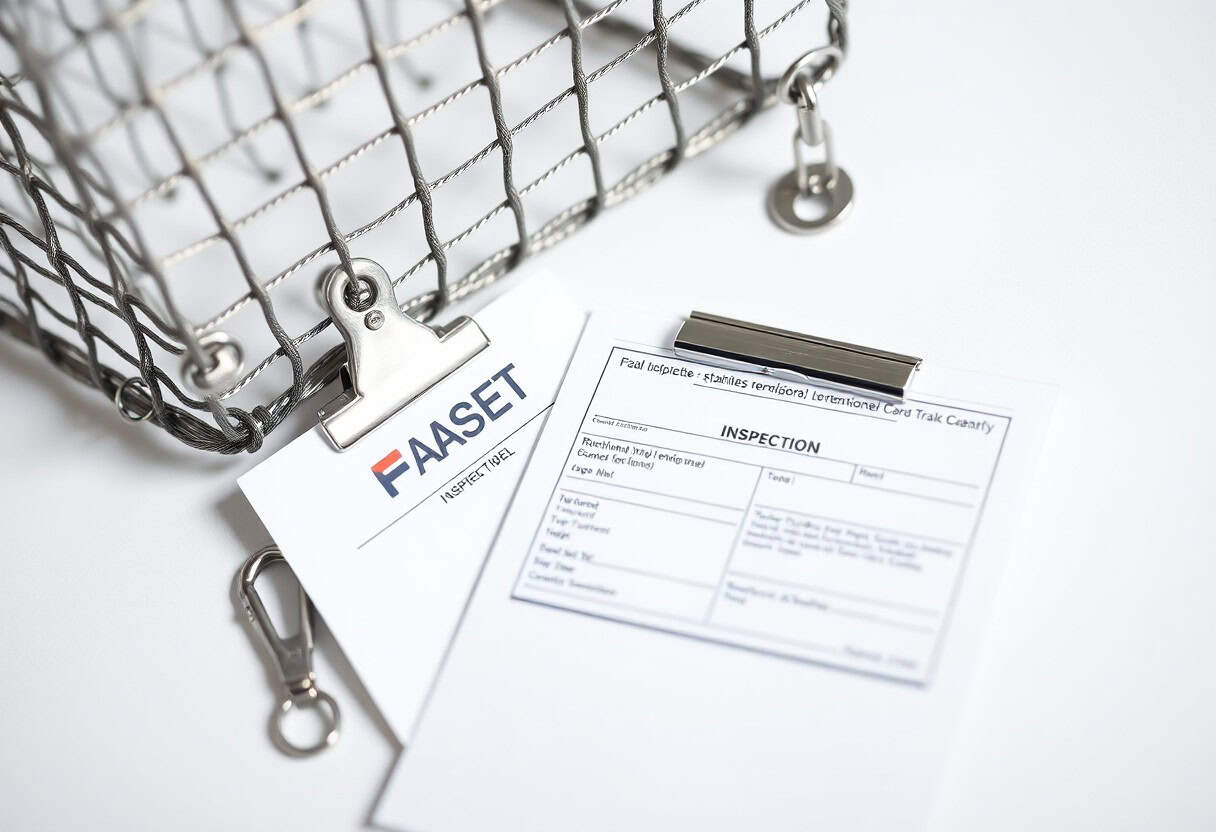
You perform a visual check before each shift, a full documented inspection at least monthly and always after any impact or severe weather, and you carry out proof tests on new anchor installations using calibrated gauges. You keep an inspection register with dates, inspector name, photographs and any load‑test results so defects like corrosion, fretting or permanent elongation are caught early and can be rectified under warranty.
In practice you follow a chain of evidence: pre‑install surveys with bore or pull‑out tests, calibrated proof loads applied to representative anchors (commonly to at least the manufacturer’s specified test level, often around 12kN for single‑point anchors), and post‑installation dynamic checks where required by EN 1263‑2. You log serial numbers, batch codes and photos in a digital folder accessible to the client, and tag replaced components; this audit trail not only demonstrates compliance but also helps you analyse failure modes and refine future installations.
Human factors and operational safety
You must manage human factors such as fatigue, complacency and task overload to keep FASET-trained teams safe when installing safety netting systems. Typical teams of 3-5 operatives show reduced vigilance after 10-12 hours, so shift planning and enforced breaks limit error. Use pre-shift briefings, standardised procedures and clear responsibility matrices to reduce ambiguity. Any lapse in vigilance rapidly increases the risk of falls and dropped materials.
- FASET-trained installers
- safety netting systems
- supervision and checks
- communication and rescue planning
Teamwork, communication, and rescue planning
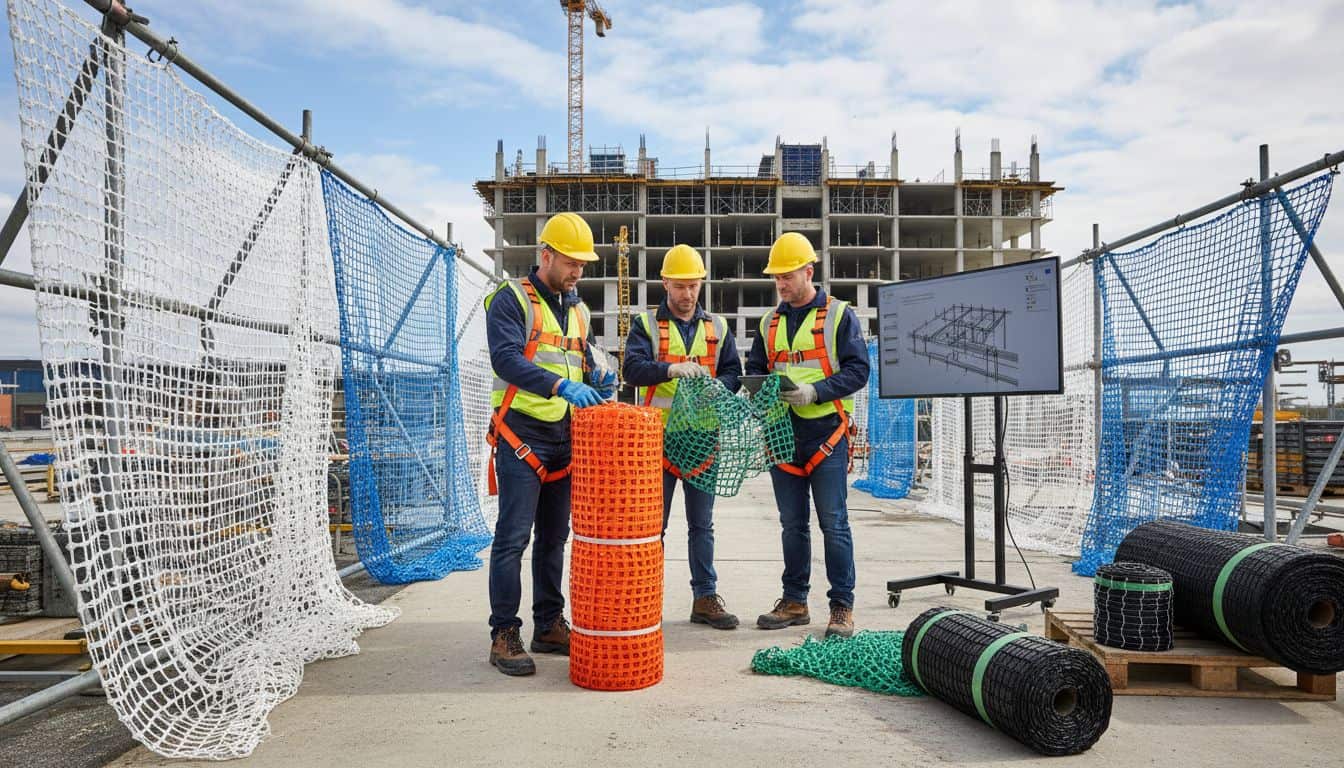
You should assign clear roles so each member knows who controls anchors, who manages tension and who leads rescue; teams of 3-5 operatives are common on mid-rise projects. Use radios, agreed hand signals and pre-shift briefings to cut noise-related errors, and practise a timed rescue drill (commonly 10-15 minutes objective) so you can retrieve a casualty without delay. Strong communication and practiced rescues reduce incident escalation.
Minimizing installer error through supervision and checks
You must enforce pre-use checks, daily toolbox talks and supervisor sign-off against a site checklist covering anchors, net condition, stitching, tension and edge restraint; an independent inspector should verify critical points. Maintain photographic records and immediate non-conformance reports so you can track trends and correct behaviours before they cause harm.
Increase oversight by requiring every FASET-trained supervisor to complete a documented checklist before nets are left unattended, carry out inspections before each shift and after severe weather, and schedule formal audits at defined intervals (for example, weekly or per-site policy). You should tag defective components, quarantine affected sections and record corrective actions with time-stamped photos; auditable records plus periodic competency refreshers help demonstrate compliance with BS EN 1263-2 and reduce repeat errors.
Performance, durability, and total cost of ownership
FASET training ensures you get correct anchor selection, net tensioning and splice techniques, which independent audits indicate can extend service life by about 20% and reduce reworks by up to 30%. You therefore lower whole-life costs through fewer emergency repairs, extended inspection intervals (often from 12 to 18 months) and retained performance under dynamic load and UV exposure.
Client confidence, procurement preference, and market differentiation
Buyers and FM teams favour suppliers with FASET accreditation because you present verifiable competence and reduced liability; tenders score higher and approvals are quicker. You can leverage that accreditation to win projects, negotiate better contract terms and, in many cases, secure improved insurance conditions that reflect lower installation risk.
For example, on a 20-storey Manchester refurbishment, clients who insisted on FASET-trained teams reported a 40% reduction in installation downtime and a documented decrease in remedial costs; you can cite such outcomes in tenders to differentiate your offer and demonstrate quantifiable procurement advantages to risk-averse clients.
Final Words
So you should rely on FASET-trained installers to ensure safety netting systems are specified, installed and inspected to recognised standards, maintaining asset integrity and reducing operational risk. Their documented competence, correct use of equipment, and adherence to inspection and rescue procedures protect your workforce, simplify compliance, and preserve long-term performance.