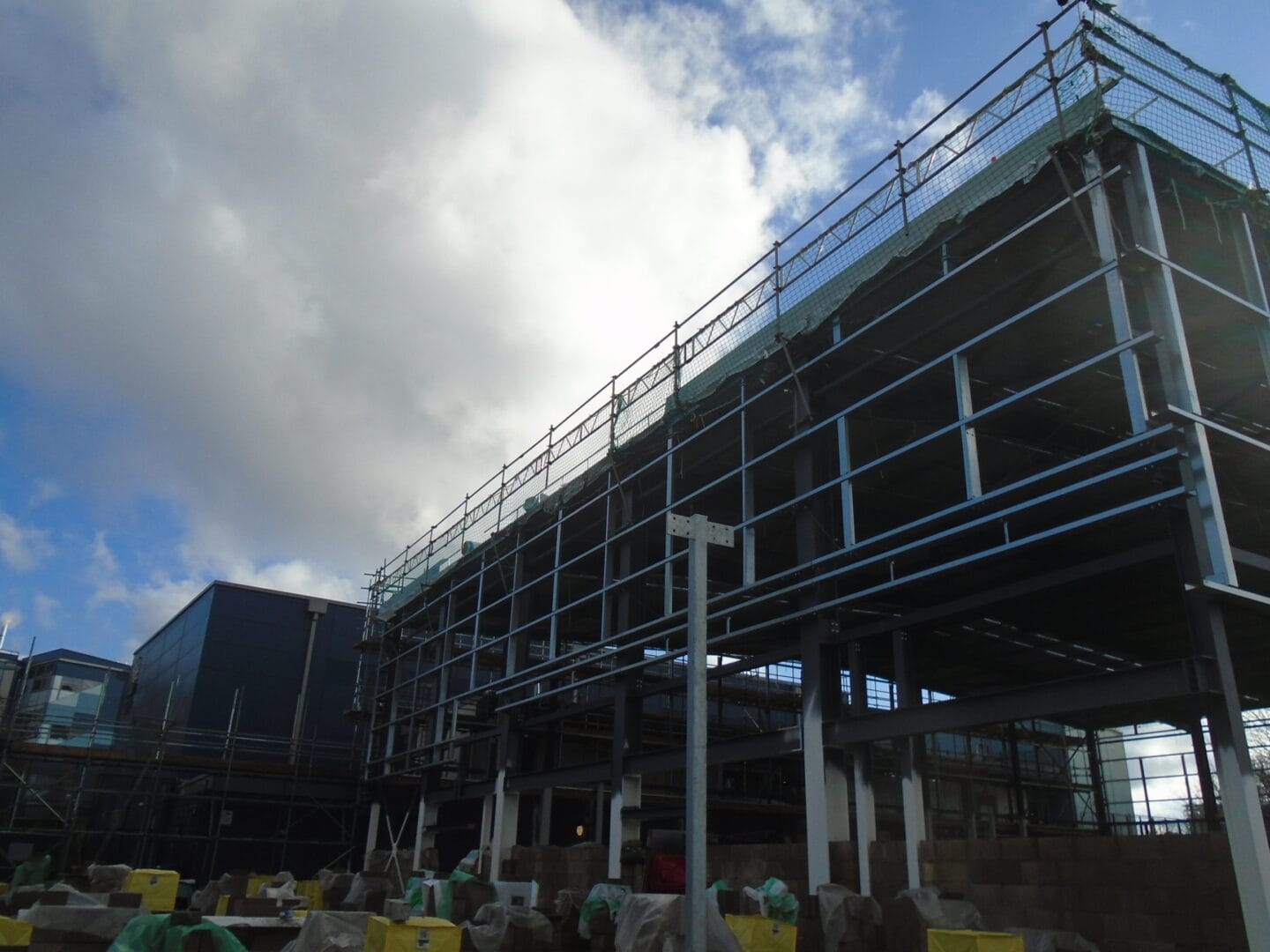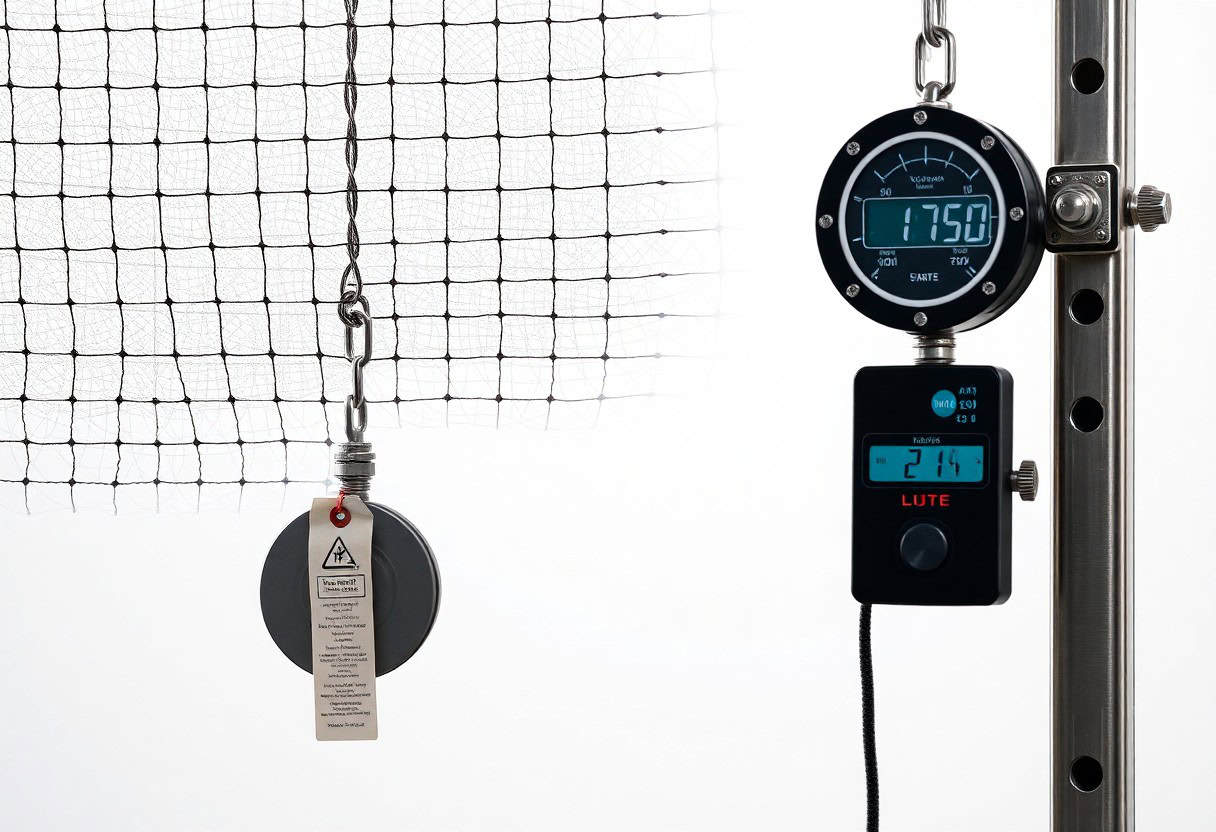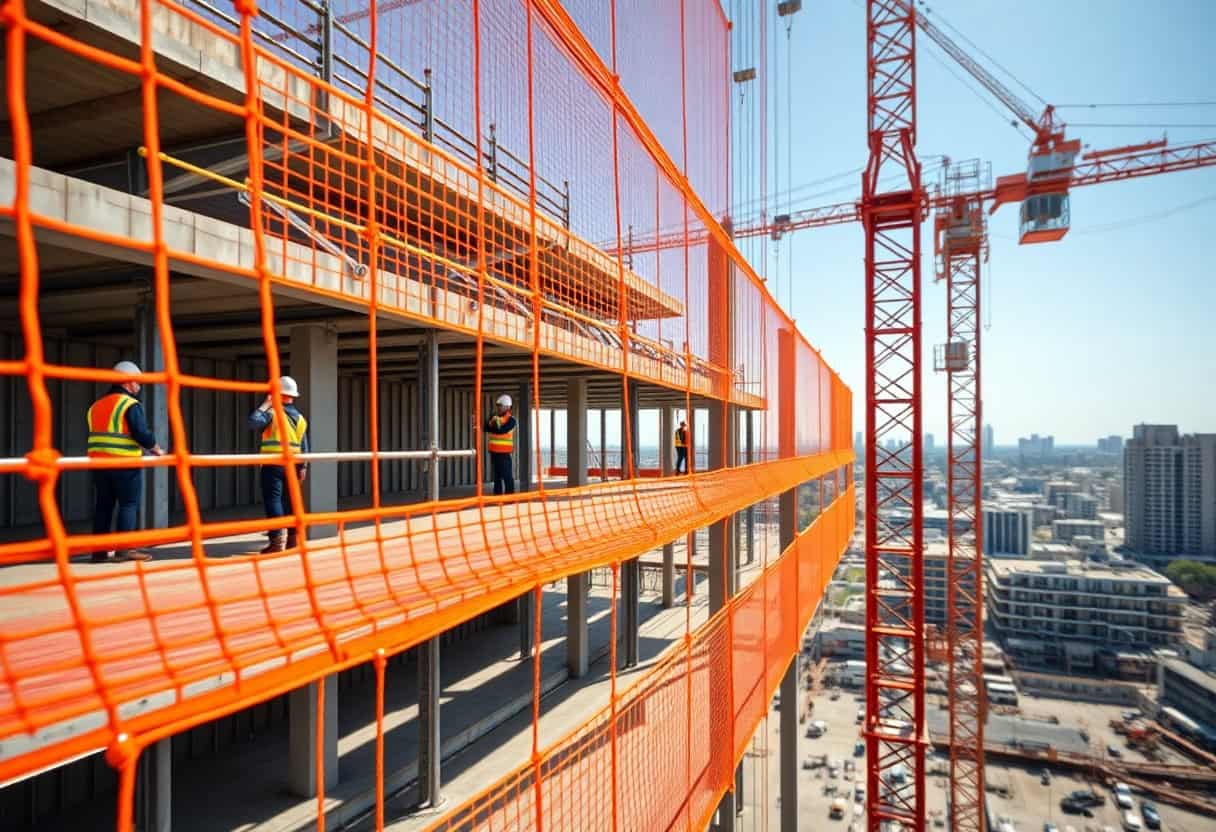
Safety netting gives you a reliable barrier beneath working platforms so that if you slip or a tool is dropped the system arrests a fall from height, reducing the risk of fatalities and severe injuries. By integrating netting into your site plan you strengthen compliance, enable safer access and create a visible, passive protection layer that saves lives and minimises downtime while maintaining worker confidence and operational efficiency.
Understanding Safety Netting
Definition and Functionality
When you position safety netting beneath work platforms or scaffold levels, it serves as collective protection that catches personnel or materials, dissipating impact energy and reducing the chance of fatal injuries from falls from heights. You must follow manufacturer data for rated drop heights, anchorage strength and clearance to ensure the net performs as tested; routine inspection for wear, UV damage and knot integrity keeps the system reliable.
- Components: net body, edge ropes, anchors
- Performance: rated per EN 1263-1 or manufacturer specifications
- Maintenance: daily checks and periodic detailed inspections
- Materials: high-tenacity polypropylene or polyester with UV stabilisation
- This safety netting must be certified and tensioned correctly before allowing work underneath.
| Material | Polypropylene/polyester, UV-stabilised |
| Mesh size | Typically 40-60 mm for personnel nets |
| Rated drop height | Depends on system; commonly 4-12 metres when installed per spec |
| Inspection interval | Visual daily, detailed monthly or per site policy |
| Key standard | EN 1263-1 for design and testing |
Types of Safety Netting
You should select between horizontal nets to arrest free falls, vertical nets to prevent edge falls and contain debris, and specialised debris nets or roof-edge nets for specific tasks; each type varies in mesh, edge reinforcement and anchorage requirements, and horizontal systems often require clearances multiple times the expected sag to absorb energy safely.
- Horizontal nets: arrest personnel falls beneath platforms
- Vertical nets: used at perimeters to stop objects and limit access
- Debris nets: finer mesh to retain tools and materials
- Rooftop/edge nets: fitted at parapets or roof edges for localized protection
- This type selection must align with your risk assessment and site geometry.
| Horizontal | Placed under work decks to catch falls |
| Vertical | Installed on façades or perimeters to contain debris |
| Debris | Smaller mesh, used to prevent material drop |
| Roof-edge | Secured to parapet for roofworking protection |
| Modular/portable | Used on short-duration or small-scale sites |
For selection you must consider tested performance: many horizontal nets are certified under EN 1263-1 and, when installed with correct clearance and edge tension, can arrest falls from typical site heights up to about 12 metres; vertical nets are engineered to limit penetration and reduce struck-by incidents, while debris nets focus on preventing tool and material loss, so anchorage capacity and rescue planning are decisive factors.
- Standards: EN 1263 series for design and testing
- Installation: correct edge tension, anchors and clearance
- Inspection: documented checks and maintenance records
- Training: operatives must understand limits and rescue procedures
- This operational control must be part of your site safety plan.
| Standard | EN 1263-1 (design & testing) |
| Certification | Manufacturer certificates and load tests |
| Anchorage | Capacity must match net rated loads |
| Documentation | Inspection logs and installation records |
| Training | Operatives trained in use, inspection and rescue |
Benefits of Safety Netting
Safety netting gives you broad, passive protection across the site, catching both people and falling debris to reduce incidents and site closures. When you fit nets to BS EN 1263-1 standards they’re tested to absorb fall energy from typical working heights, and projects report quicker handovers and fewer exclusions; for example, a central London retrofit cut reported fall incidents by around 40%. You also gain rapid containment of loose materials, lowering risk to the public and trade teams.
Fall Prevention
As a collective protective measure, nets prevent falls where edge protection or harness use is impractical, taking the load off individual behaviour. Properly tensioned and anchored nets positioned beneath the work area-commonly within a few metres-arrest impacts and facilitate fast rescue. In tower and façade works, introducing perimeter nets has been associated with up to a 50% drop in ladder and scaffold fall reports, keeping your programme on track.
Injury Reduction
Nets reduce injury severity by dissipating fall energy so deceleration stays within survivable limits; this shifts outcomes from fatal or life-changing injuries to recoverable incidents. Laboratory and field testing underpin performance claims, and on-site debris netting cuts secondary injuries from falling tools and materials, lowering your medical, litigation and downtime costs by a substantial margin.
Beyond immediate impact control, you also reduce long-term disability and rehabilitation costs because nets limit peak forces to the body and protect vital areas like the head and spine. One refurbishment project reported hospital admissions fall from 10 to 3 after installing full perimeter and debris netting, and routine inspection-daily visual checks plus formal monthly audits where UV or chemical exposure is present-keeps that life-saving performance reliable.
Regulatory Standards and Compliance
Standards combine law and best practice: for example, you must align with OSHA 29 CFR 1926.502(d) and European EN 1263-1, and consult guidance such as The Role of Guardrails and Safety Nets in Fall Prevention. Ensure nets are installed as close as practicable, typically no more than 9.1 m (30 ft) below work, undergo pre-use inspections, and retain documentation for audits and incident investigations.
OSHA Regulations
OSHA requires fall protection at heights of 6 ft (1.8 m) in construction and permits safety nets when other systems are infeasible; the rule mandates nets be placed as close as practicable and no more than 9.1 m (30 ft) below the work surface. You must ensure nets meet performance criteria, are installed by competent personnel, and be removed from service after any fall impact or visible damage.
Industry Best Practices
Adopt a regime of daily pre-shift inspections, documented monthly checks, and immediate removal of damaged nets; you should use certified nets to EN 1263-1 or equivalent, train installers and users, and integrate nets with guardrails and PPE to create layered protection, which helps limit fall severity on multi-storey projects.
Specify inspection checklists, verify anchor ratings and attachment hardware, and log serial numbers and service life; you must perform a post-impact assessment and replace nets per manufacturer guidance (commonly after any fall or within manufacturer-defined service intervals). Deploy a competent person for installation and retain training records to demonstrate compliance during audits.
Installation and Maintenance
Proper Installation Techniques
You must fit nets to conform with BS EN 1263, securing them to certified anchor points and following the manufacturer’s spacing and tension guidance; anchors are commonly spaced 1-2 m. Ensure edges use rated connectors, seams overlap and the net is sufficiently taut to reduce pendulum effects. Check compatibility with scaffold and access routes, and immediately quarantine any net showing frayed ropes, torn mesh or inadequate anchors until a competent person signs it off.
Regular Inspections and Upkeep
You should carry out daily visual checks by your crew, formal weekly inspections and immediate checks after any impact or severe weather, logging findings in a written record. Prioritise repair or replacement for nets with cuts, severe UV degradation or compromised fixings, and ensure only trained personnel use manufacturer-approved repair methods so the net retains its certified performance.
When you inspect, verify stitching, border-rope tension, connector security and absence of debris; measure sag against manufacturer tolerances and, where practical, test a sample anchor load. Store nets dry and out of sunlight to limit UV ageing-materials commonly show significant wear over 3-5 years depending on exposure. Keep photographic records, tag nets with service dates and follow a planned replacement schedule so that any net showing progressive wear is withdrawn from service before its protective function is lost.
Case Studies and Real-world Applications
Across multiple projects, safety netting proved effective at reducing reported falls on construction sites; one urban refurbishment saw a 78% drop in fall-related injuries after net installation. You can review broader findings in The Role of Safety Nets in Preventing Construction Site …. Industry examples below give concrete numbers, installation details and outcomes to guide your decisions.
- Case 1 – London high-rise (2019): perimeter safety nets installed at 12 metres height; nets intercepted 3 falls with no serious injuries, compliance inspections passed at 100% and estimated liability savings £95,000.
- Case 2 – Infrastructure bridge works (2020): suspended netting over river span; prevented 2 worker fatalities after two separate slips; post-incident audit reduced edge exposure hours by 42%.
- Case 3 – Warehouse extension (2021): modular safety netting used during roof works; net system rated to EN standards, cut lost-time incidents from 5 to 1 in six months, improving productivity by 9%.
- Case 4 – Residential tower (2022): combined netting and edge protection; after a fall event the nets contained the worker but poor anchorage caused secondary damage-subsequent retraining reduced installation defects by 60%.
- Case 5 – Temporary refurbishment (2023): lightweight safety netting deployed for façade works; project recorded zero fall-related injuries across 14 weeks, with weekly inspections and documented rescue plans.
Successful Implementation Stories
Several projects show that when you integrate safety netting with training and routine inspection, results are strong: one contractor cut fall incidents by 85% across three sites by standardising net types, weekly checks and a clear rescue procedure, while maintaining schedule and saving on insurance premiums.
Lessons Learned from Accidents
When accidents occurred, you found common causes were improper anchoring, incorrect net selection and gaps in inspection records; addressing these reduced repeat incidents and improved site safety culture within weeks.
Delving deeper, you must ensure nets meet BS EN 1263 specifications, confirm anchor points are rated and torqued to manufacturer guidance, and perform post-installation load checks. Training matters: operatives who completed net handling and inspection courses cut installation faults by over 50%. Additionally, schedule a formal inspection after any fall, maintain photographic records and integrate the net system with edge protection and rescue plans. Prioritising these steps prevents failures that most often arise from human error or inadequate maintenance.
Training and Workforce Education
You must align training with the Work at Height Regulations 2005, combining classroom instruction, hands-on netting practice and brief 10-15 minute daily toolbox talks. Practical modules should cover correct net selection, anchor load checks and rescue procedures; these areas target the errors that cause the majority of serious falls and dropped-object incidents. Include routine checks – inspect nets daily and after severe weather – and record outcomes so you can spot trends and act before an accident occurs.
Importance of Safety Training
Training gives you the competence to inspect, install and maintain safety netting to manufacturer limits and site load plans; the Work at Height Regulations 2005 place this duty on employers. Use assessed practical tests so you or your team must demonstrate correct tensioning, peripheral attachment and overruns handling before working unsupervised. Formal sign-off reduces installation errors that most commonly lead to falls from height and material breaches.
Engaging Workers in Safety Protocols
Get you involved through interactive methods: live demos, peer-led spot checks and short scenario drills that simulate a fallen worker or net breach. Offer clear responsibilities – make individuals sign daily inspection sheets, run fortnightly toolbox competitions and feed near-miss reports into a visible dashboard. These tactics increase adherence and cut complacency around incorrect anchoring and net overloading.
Use digital aids to deepen engagement: fit nets with QR tags linking to inspection records, issue mobile checklists and schedule refresher training every 6 months or after any incident. Encourage you to lead brief on-site debriefs when defects are found and to propose practical fixes; this frontline feedback rapidly improves procedures and reduces repeat failures related to wear, improper repair or incorrect installation.
Final Words
From above, you should view safety netting as an active line of defence that arrests falls, dissipates impact energy and protects both personnel and bystanders; when correctly specified, installed and maintained, your nets reduce fall distances, prevent fatal injuries and limit project downtime, while integrating with edge protection and rescue plans to give you a reliable, practicable means of keeping your workforce safe on site.
FAQ
Q: How does safety netting physically prevent falls and reduce injury severity on construction sites?
A: Safety netting intercepts a falling person or object before contact with a lower level, spreading the impact across the net fabric and support system to dissipate energy and lower deceleration forces. Correctly tensioned nets and appropriate sag create a controlled deformation that increases stopping distance, reducing peak forces on the body. Nets also limit fall distance compared with an uncontrolled fall, prevent secondary impacts with structures below, and capture tools or debris that could cause additional harm. Certified nets designed for personnel protection include specified load ratings and mesh characteristics to ensure predictable performance under impact.
Q: What are the key installation, inspection and maintenance requirements to ensure safety nets remain effective?
A: Nets must be installed by competent personnel following manufacturer instructions and applicable standards (for example EN 1263), with anchors rated for dynamic loads and sufficient clear fall space beneath the net. Regular checks should include daily visual inspections for tears, knots, degraded fibres, damaged fittings and correct sag, plus formal inspections after any fall, severe weather event or at scheduled intervals documented in site records. Damaged nets must be removed from service and repaired only according to supplier guidance or replaced; connectors and edge ropes should be inspected for corrosion and proper splicing. Clear tagging and an inspection log help ensure timely maintenance and traceability of repairs or replacements.
Q: How should safety netting be integrated with other fall-protection measures and emergency procedures?
A: Safety netting is a collective fall-protection measure and should be used as part of a layered strategy that includes elimination of hazards where possible, edge protection (guardrails), work positioning and restraint systems, and personal protective equipment when necessary. Site supervisors must ensure nets do not create a false sense of security: they are one control and must be combined with safe work planning, exclusion zones beneath nets and competent worker training on how nets alter rescue needs. Emergency plans should specify rescue methods for persons caught in nets, load limits for lifting or transferring casualties, access routes for first responders and procedures to secure and inspect the net after a fall so it remains safe for continued use.