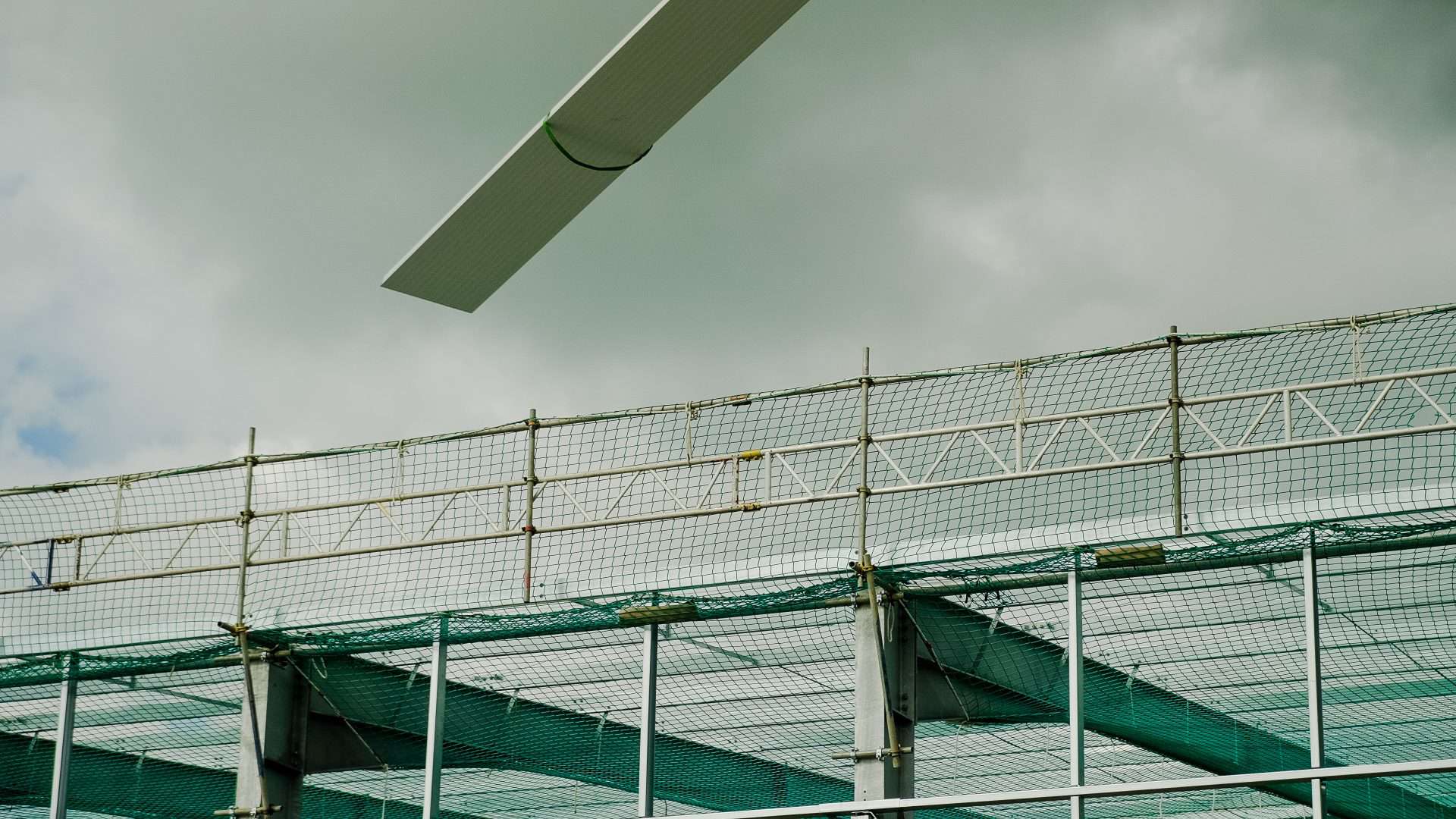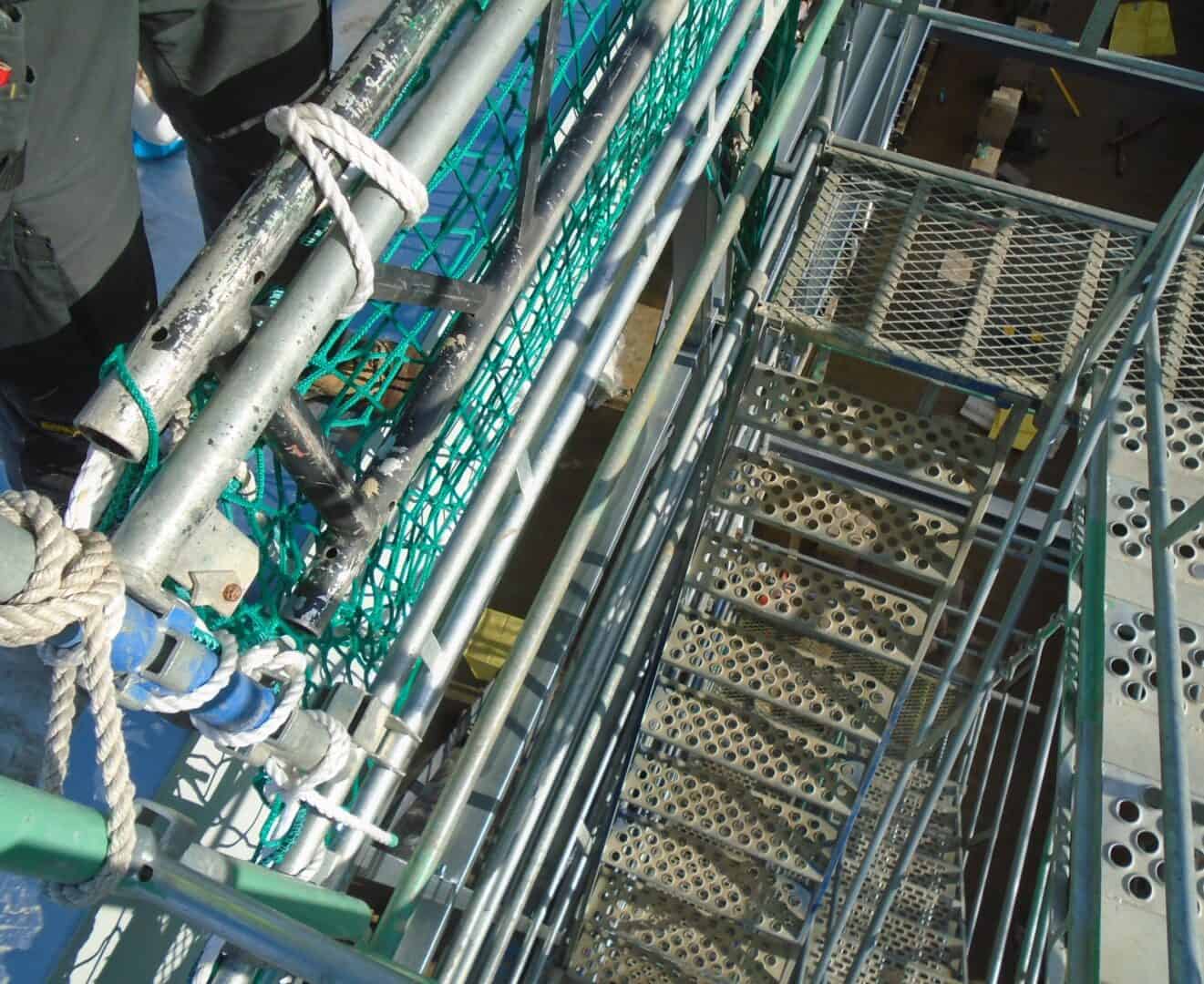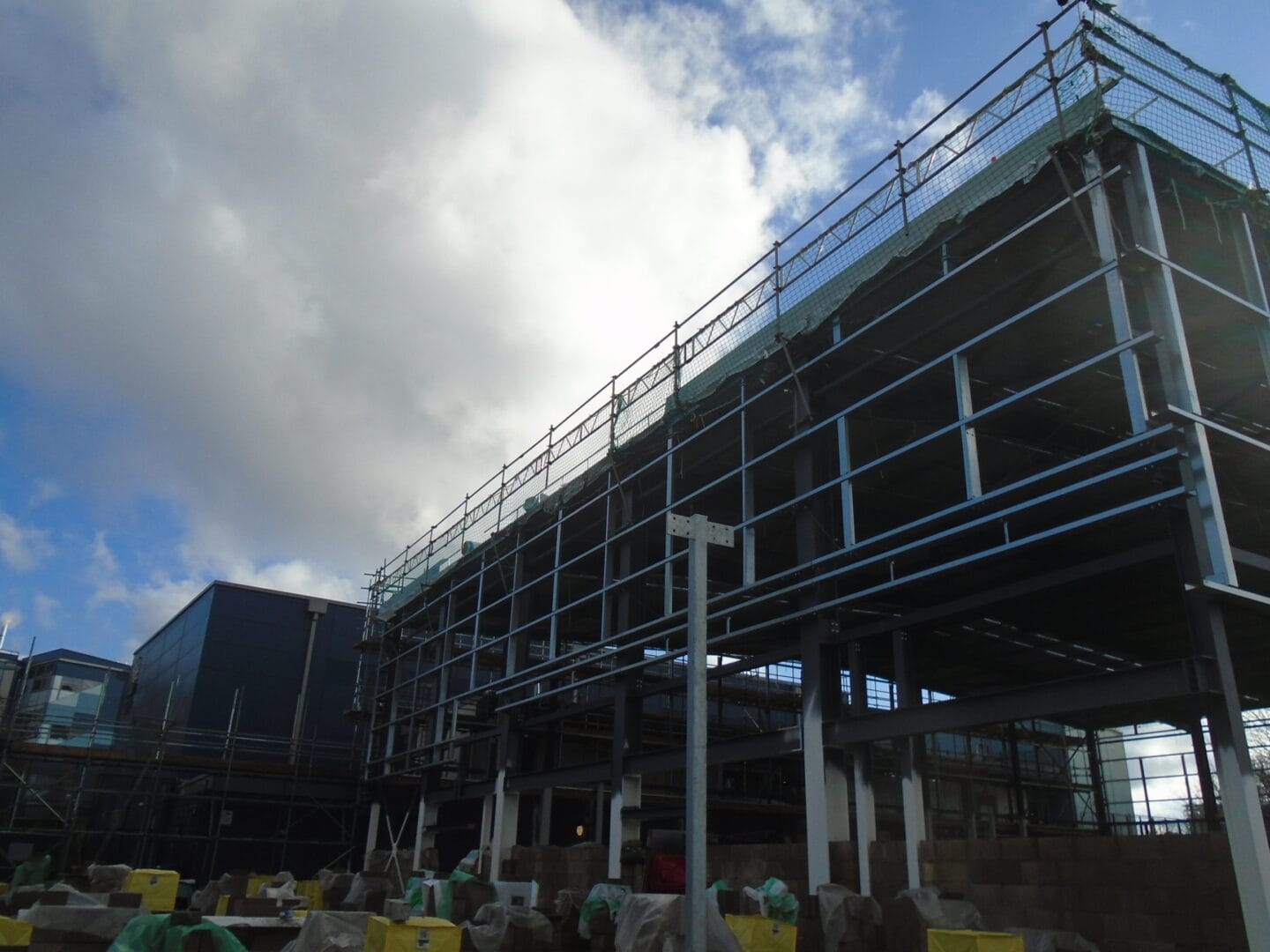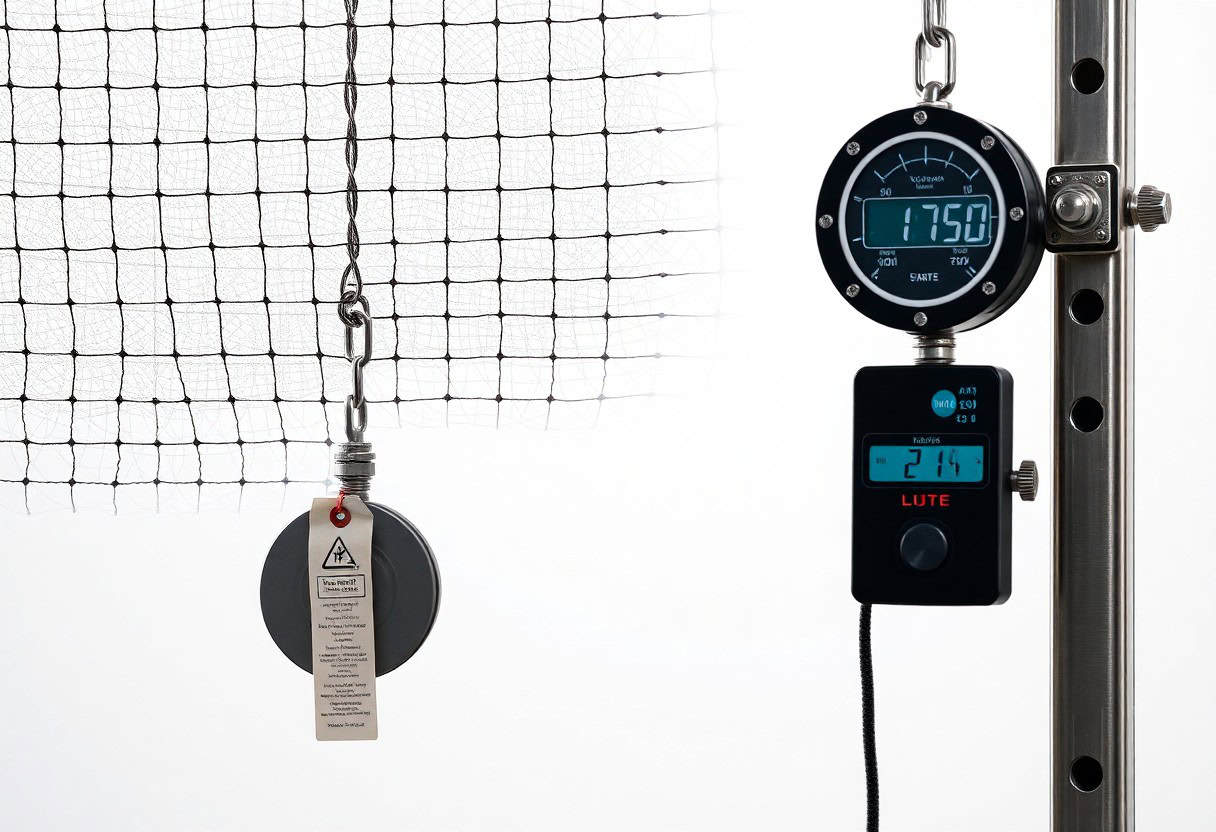
With perimeter edges often forming the most exposed work boundary, you must manage fall risk by implementing robust planning, continuous inspection and the competent use of edge protection; use guardrails, toe boards and secure anchors, ensure trained personnel and clear exclusion zones, and consult guidance such as Fall Hazards in Construction: How to Avoid Them | TRADESAFE.
Regulatory standards & responsibilities
Codes, standards and guidance (TG, ISO, EN)
EN 13374 classifies temporary edge protection systems (Classes A-C) for different loadings; ISO 45001 requires safety management systems that integrate fall-prevention controls. You must map these to local laws such as the UK Work at Height Regulations 2005, apply manufacturer load tests, and record compliance for audits and site inspections.
Employer, supervisor and worker duties and liabilities
Employers must carry out risk assessments, provide edge protection to the relevant standard and deliver training; supervisors must ensure correct installation, sign-off and inspect before each shift; workers must use systems correctly and report defects immediately, because failure to maintain systems can lead to fatal falls and legal action.
Risk assessments should form written method statements and specify barrier type, spacing and anchorage; carry out daily pre-use checks, formal inspections weekly and after severe weather, and keep records for audit. Supervisors need documented competence (often a competent person certificate) and may be held personally liable for negligent supervision; employers face fines, prosecutions and, in the UK, potential corporate manslaughter charges for systemic failures.
Perimeter edge protection systems
You must balance permanence and flexibility; perimeter systems combine guardrails, toe boards and temporary measures. Standards typically set top-rail height at 1.1 m and toe boards at 150 mm. For case studies on falling-object prevention see Lessons Learned: Protection Against Falling Objects. On multi-storey sites you often pair parapet extensions with nets to shield pedestrians and plant below, since inadequate edge protection remains a common cause of site incidents.
Passive systems – guardrails, toe boards, parapet extensions
You rely on guardrails as the baseline; typically steel or aluminium, fixed to the structure or scaffold. Toe boards should be a minimum of 150 mm high and continuous to prevent tools and small materials falling. Parapet extensions provide a permanent height increase where rails cannot be fitted, often adding 300-500 mm on refurbishment projects to meet edge-protection requirements and protect the public below.
Temporary and active systems – barriers, nets, edge screens, anchors
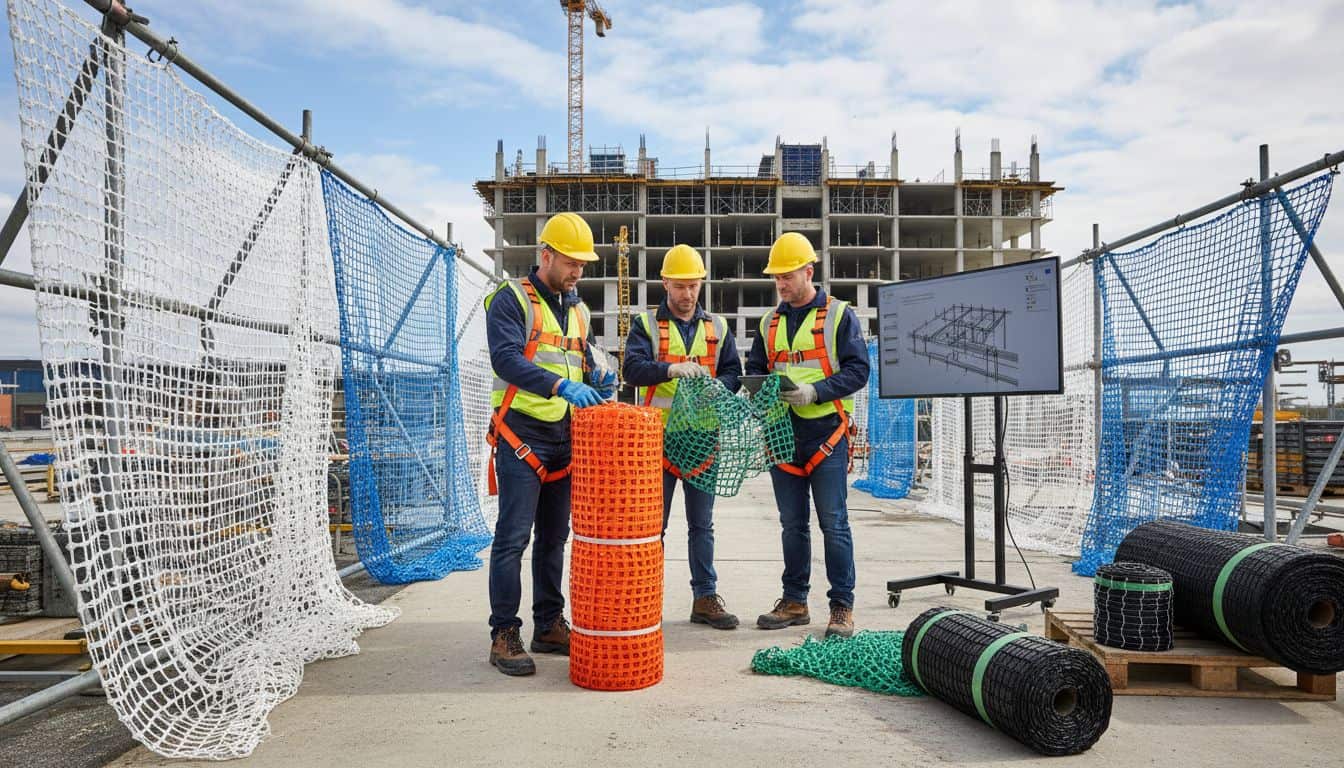
When you need mobility, deploy barriers, debris nets, edge screens and anchors matched to the task. For work above 2 metres nets and screens reduce risk to people below, anchors must be compatible with your fall-arrest equipment and routinely inspected, and barriers give rapid segregation on congested sites. Combining systems frequently offers the strongest defence against both falls and falling objects.
On-site you must follow manufacturer instruction and select anchors tested to EN 795 or relevant standards; fitings should be traceable with certifications. Inspect nets, screens and anchors before every shift and after any significant event, recording defects and withdrawing damaged components immediately. Where you combine a horizontal lifeline with debris netting, keep load paths independent so a single failure cannot compromise the whole system; in practice, teams reduce incidents by pairing parapet extensions, toe boards and certified netting during facade works.
Risk assessment & planning
You should map the perimeter, quantify drop heights and access points, then document controls in the method statement and permit-to-work. Use site-specific measurements (for example, edges over 2 m need enhanced measures), allocate responsibilities, schedule installations around high-wind forecasts and include an emergency rescue plan. Inspection records and training logs must be maintained so you can demonstrate compliance during audits and reduce the likelihood of incidents at the boundary of work areas.
Hazard identification, task analysis and hierarchy of controls
Start by identifying openings, leading edges, fragile surfaces and proximity to plant, then break tasks into steps to spot where personnel approach the boundary. Apply the hierarchy of controls: first eliminate or isolate the hazard, then use engineering measures such as collective edge protection, followed by administrative controls and, only lastly, personal protective equipment. Case work shows prioritising collective measures cuts reliance on PPE and lowers exposure during routine operations.
System selection criteria and lifecycle planning
Choose systems compliant with EN 13374 and compatible with your substrate, wind exposure and drop height; specify top rail at 1.1 m and toe board dimensions per project needs. Consider material (steel for robustness, aluminium for weight savings), modularity for rapid install and connection details for parapets or scaffolds. Define expected service life, inspection intervals and spare-part access at procurement to avoid downtime.
When you plan the lifecycle, include procurement, installation, inspection, maintenance and decommissioning schedules. Specify weekly inspections and checks after storms or impacts, keep a digital log with photos, and require installer competence records. For example, modular steel systems on a 12-storey refurbishment cut install time by around 40%,. Factor in corrosion protection and an anticipated service life of 10-25 years depending on material and exposure.
Design and installation
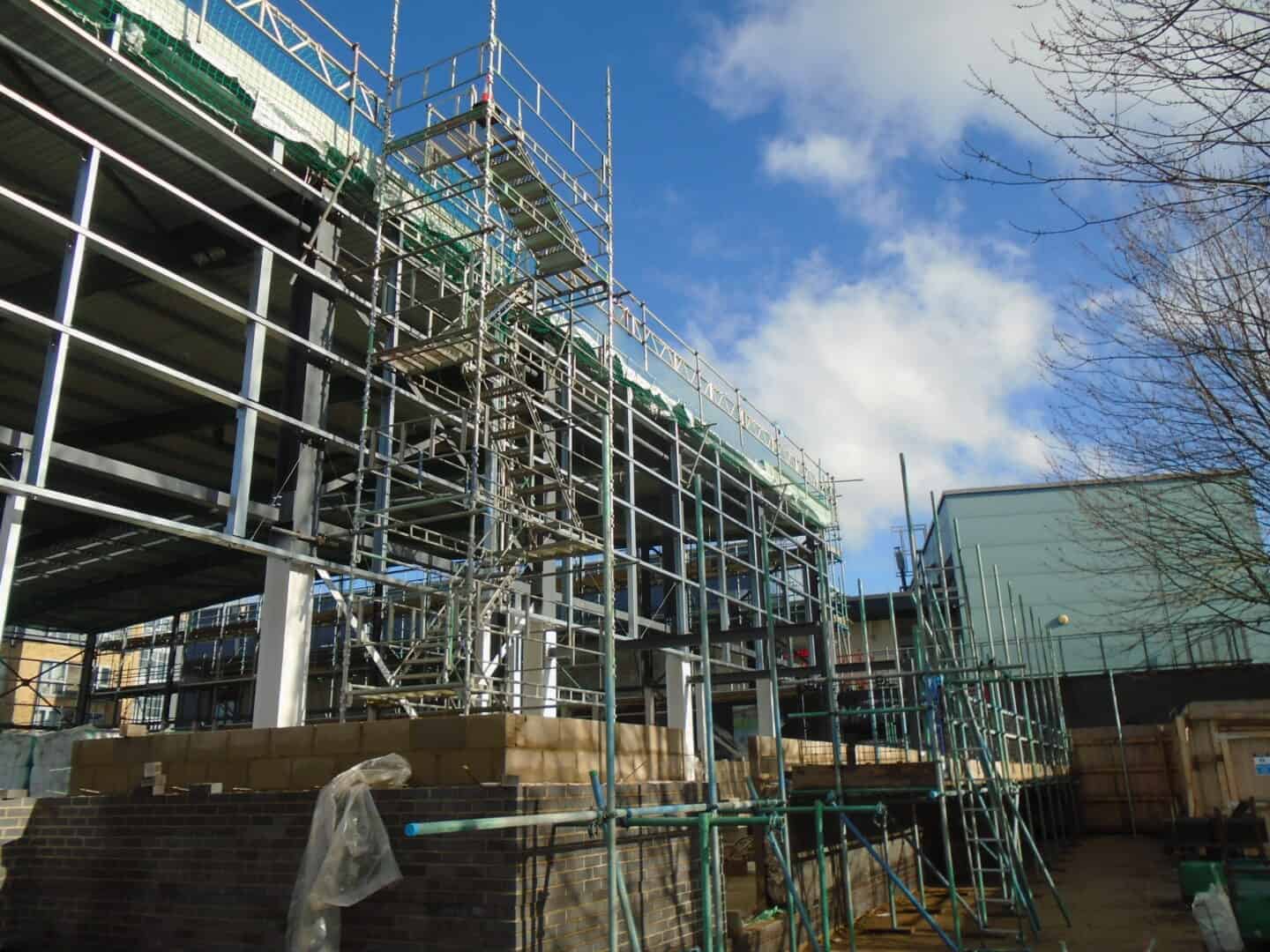
You should specify perimeter systems that match the phase of work: temporary aluminium or steel guardrails for early slabs, and permanent balustrades later. Posts are typically spaced at max 2 metres to control deflection, with toe boards where materials could fall. Ensure details like removable panels for crane access and integrated access points are included in the design so you avoid last‑minute site modifications that compromise protection.
Loadings, anchorage and integration with structural elements
You must design anchors and posts to interface with the structure: aim for anchorages tested to 12 kN (EN 795) where personal‑fall systems attach, and sized handrails to BS 6180 actions – typically ~0.74 kN/m UDL and 0.36 kNconcentrated loads. Use chemical M12/M16 fixings into concrete or bolted baseplates to steelwork, with load‑spreading plates or embedments on lightweight slabs to avoid pull‑out.
Installation sequencing, interfaces with other trades and site logistics
Install perimeter protection as an early task, before workers approach within 2 metres of an exposed edge. Coordinate with crane lifts, façade installation and roofing so removable sections align with hoisting windows; maintain storage zones and routes clear of the edge to prevent overloading. Highlight high‑risk periods, such as material deliveries, and schedule protection changes out of shift overlaps.
In practice, sequence works by: 1) establishing a continuous primary line at slab edge before handover, 2) fitting toe boards and access gates, 3) opening removable panels only for lifts and immediately reinstating them. A two‑person crew can typically erect 10-15 metres per hour depending on fixings; on a 10‑storey block plan for anchor checks with an engineer and allow post‑installation pull tests and signing‑off to avoid latent failures during following trades.
Pre-use checks, routine inspections and defect management
Start each shift with a daily pre-use check for missing fasteners, damaged toe boards and loose handrails; carry out a formal weekly inspection and a full monthly assessment of fixings and anchorages. If you spot visible deformation, corrosion exceeding 30% of section, or missing components, tag the system out and arrange repair within 24-72 hours. Maintain a defect log, prioritise hazards that expose workers to an unprotected edge, and use spare parts matching the original specification.
Recordkeeping, audits and end-of-life considerations
Keep inspection records with date, inspector name, defects, corrective actions and parts used, and store them digitally for at least five years. Schedule audits every 6-12 months to review traceability, training compliance and recurring faults. Plan replacement when repairs exceed 20% of asset value, following a major fall event, or when corrosion reduces section by more than 30%; documenting the rationale prevents unsafe reuse and supports your duty of care.
Use a standard audit checklist covering anchor torque (in Nm), weld integrity, guardrail height (typically 1.1 m) and toe board height (typically 100 mm); record mean time to repair and defect recurrence aiming for under 2% recurring defects. Photograph defects, assign unique asset IDs and link records to training and permit-to-work systems so you can demonstrate continuous improvement, justify end-of-life removal and speed up replacement procurement when thresholds are breached.
Training, supervision and emergency preparedness
You deliver a site-specific training programme-typically 6-8 hours initial classroom and hands‑on plus an annual refresher-and run daily 5-10 minute toolbox talks with signed attendance. Supervisors must be nominated under the Work at Height Regulations 2005, you must hold written permits for work at unprotected edges, and you should maintain a trained rescue team on every shift; see further guidance in Mind the Gap: Ensuring Proper Edge Fall Protection.
Worker competence, permits and toolbox procedures
You verify competence by combining certificates, practical assessments and site induction checklists, with formal reassessment at least annually; permit‑to‑work documentation must cover controls, exclusion zones and PPE, while daily 5-10 minute toolbox talks reinforce specific edge hazards and record compliance-use photographic sign‑in and supervisor initials for audit trails.
Rescue planning, incident response and reporting
You aim for a rescue response time under 10 minutes, keep pre‑packed rescue kits and at least one trained rescuer per shift, and rehearse full rescues every three months; immediate actions include safe access, casualty suspension support and clear radio comms to avoid prolonged suspension, which can cause suspension injury within about 10 minutes.
More detail: you must document a written rescue plan specifying roles, primary and backup anchor points, communication procedures and equipment lists (descent/haul systems, casualty slings, rigid stretcher). Train rescuers in both self‑rescue and assisted techniques, log drills and equipment inspections, preserve the scene after any fall, complete an incident report for site records and corrective actions, and provide post‑incident medical and psychological support to affected workers.
Summing up
Conclusively you must treat perimeter edge protection as a primary control to manage fall risk at work-area boundaries: install and maintain continuous guardrails with toe boards, ensure competent design and regular inspections, integrate fall-restraint or arrest systems where needed, provide clear access, training and supervision, and enforce safe work procedures so your workforce is protected and compliance is sustained.