You need to understand BS EN 1263-1 to ensure safety netting is designed, installed and maintained to protect workers and reduce the risk of fatal falls. The standard sets load, mesh and anchorage requirements, inspection intervals and documentation so your systems perform under impact. Following BS EN 1263-1 helps you meet legal duties, demonstrate compliance and deliver lifesaving protection when working at height.
Overview of British Standards
When you work with safety netting, BS EN 1263-1 specifies performance, testing and marking requirements so nets arrest falls and limit penetration. It sets dynamic drop tests, minimum material strength, mesh parameters and rules for anchor points, while requiring clear labelling and test certificates; for example, nets are commonly assessed using a 100 kg test mass to simulate a fall.
History and Development
Originally published as a European standard in the 1990s and later adopted into the British Standards framework, BS EN 1263-1 has been updated to reflect modern synthetic fibres and installation practice; you should note periodic amendments expanded test methods, harmonised labelling and added guidance on inspection and documentation.
Key Objectives of BS EN 1263-1
The standard’s objectives ensure that when you install nets they will prevent falls, absorb fall energy, reduce rebound and intercept dropped objects, define standardised test procedures and set inspection and maintenance obligations; it also clarifies responsibility between manufacturers, installers and site managers so you can rely on documented performance.
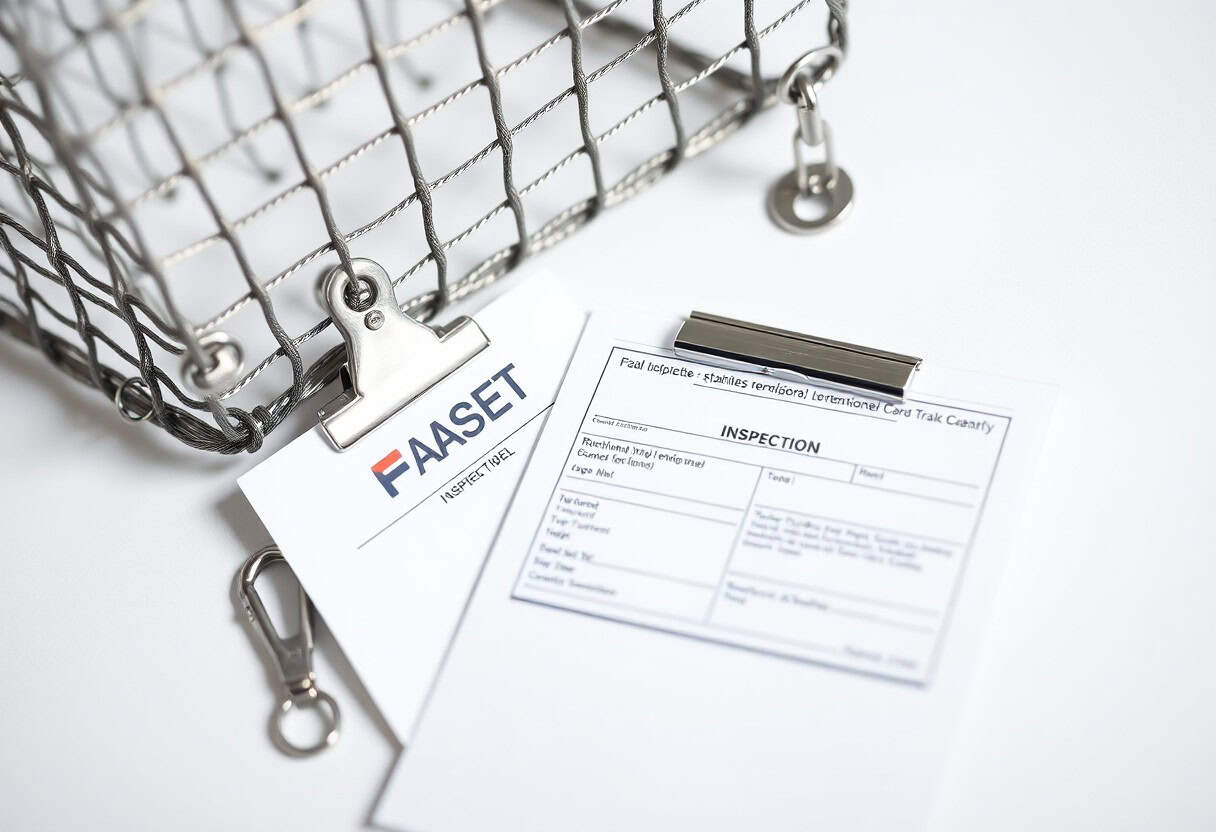
Diving deeper, you must verify manufacturer test certificates, use appropriately rated anchors, inspect before each use and after any impact, and remove from service if damage is found; retaining test and inspection records for the project lifecycle demonstrates compliance and supports incident investigations.
Types of Safety Netting
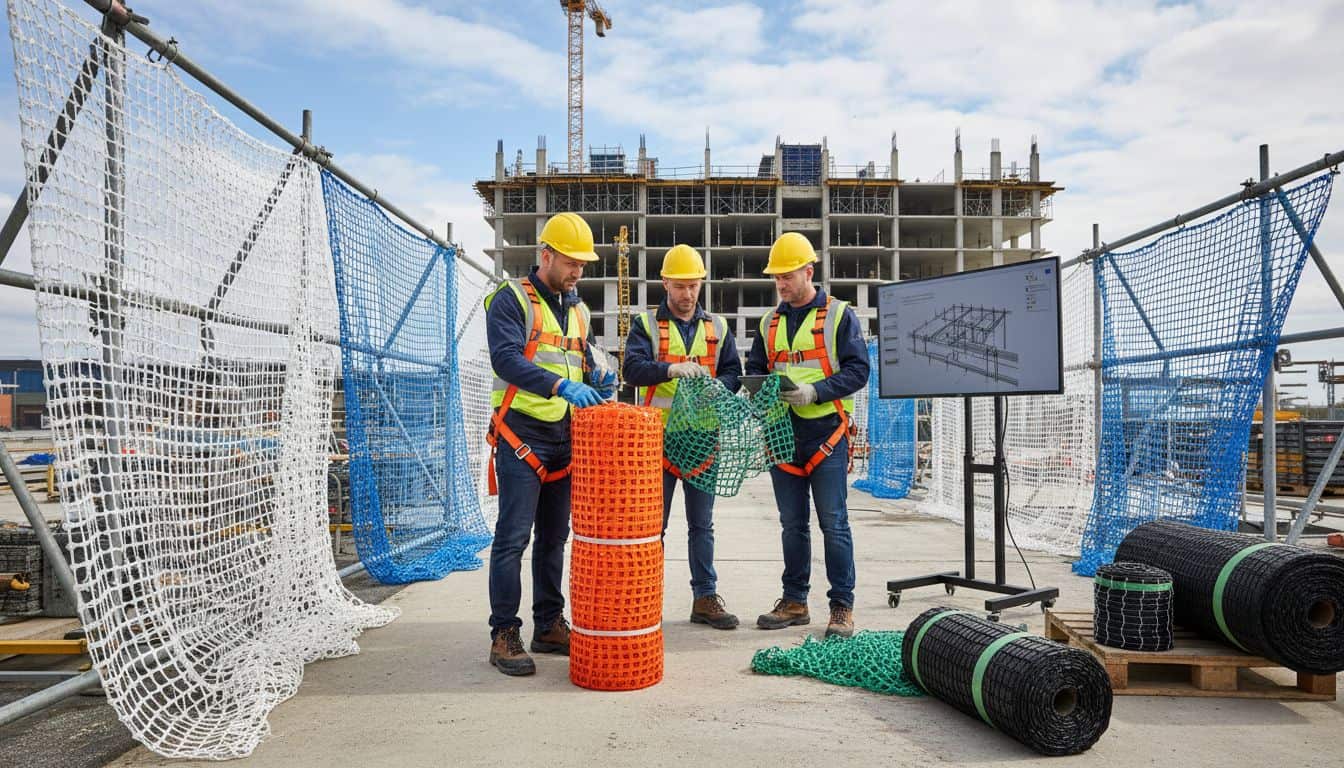
You’ll encounter several safety netting types on site: nets designed for personnel fall arrest, nets for debris containment, perimeter or edge nets, access/maintenance nets and specialist high‑tensile options. Each type has specific load, mesh and attachment requirements; mesh apertures commonly range 40-80 mm and rope diameters from about 2.5 mm upwards. Manufacturers often supply nets rated to absorb impacts from falls up to several metres with certified anchorage kits. After you assess fall height, expected impact energy and site layout you choose the appropriate category.
- Safety netting
- Debris containment
- Personnel fall arrest
- Perimeter/edge nets
- High‑tensile specialist nets
| Type | Typical use / key feature |
| Personnel fall‑arrest nets | Installed beneath work to arrest falls; designed to absorb energy from a falling person and limit secondary impact. |
| Debris / containment nets | Used around façades and scaffolds to catch tools and materials; reduces risk to pedestrians and lower‑level workers. |
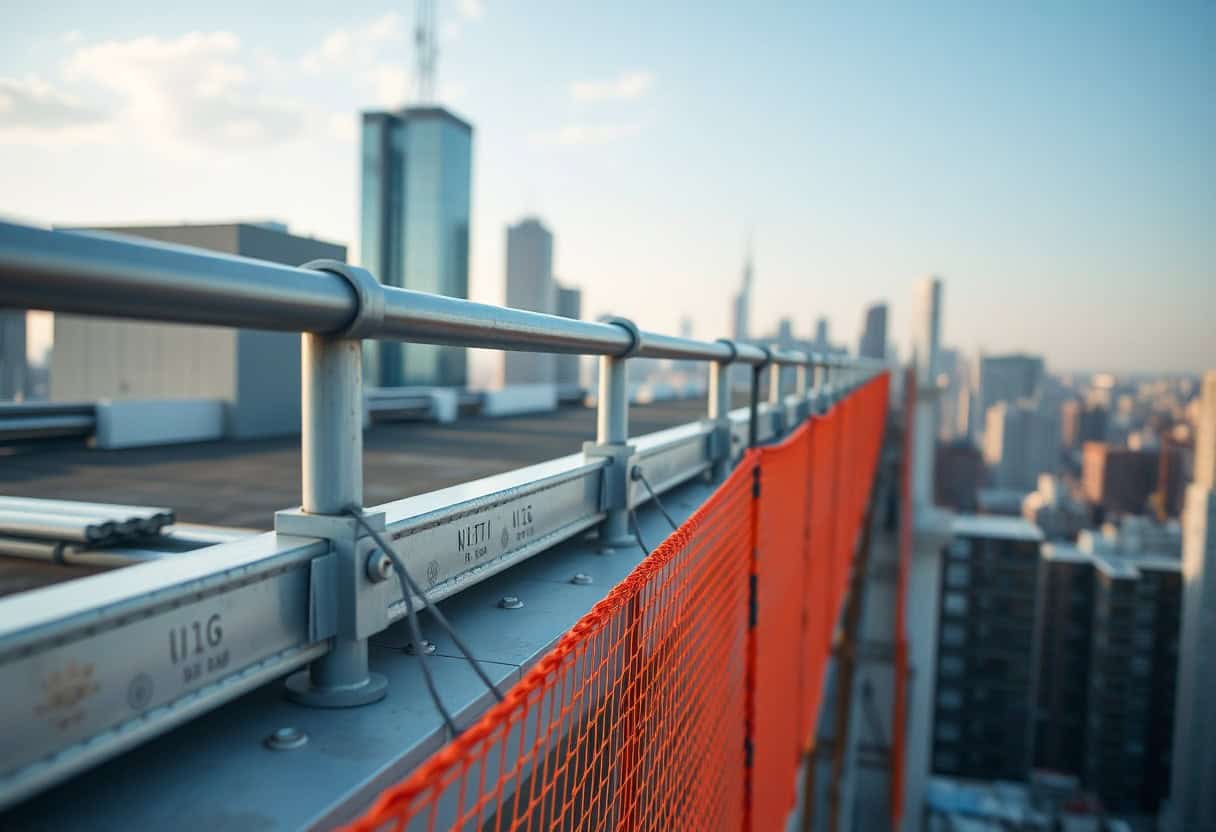
| Perimeter / edge nets | Fixed at roof edges and openings to prevent falls; commonly used during roofing and edge‑work operations. |
| Access / maintenance nets | Provide temporary safe platforms for access, often modular and routed to allow material passage. |
| Specialist high‑tensile nets | Steel or heavy synthetic nets for bridges, offshore or demolition where higher impact resistance is required. |
Different Designs and Materials
You should expect nets made from braided polyethylene, polypropylene or coated polyester and, for specialist use, high‑tensile steel; each material affects UV resistance, elongation and abrasion performance. Manufacturers specify breaking strengths and elongation at break-typical rope tensile strengths exceed several kilonewtons-so select materials that match site exposure and expected impact energy, and ensure anchorage points and edge ropes are rated accordingly.
Applications in Construction
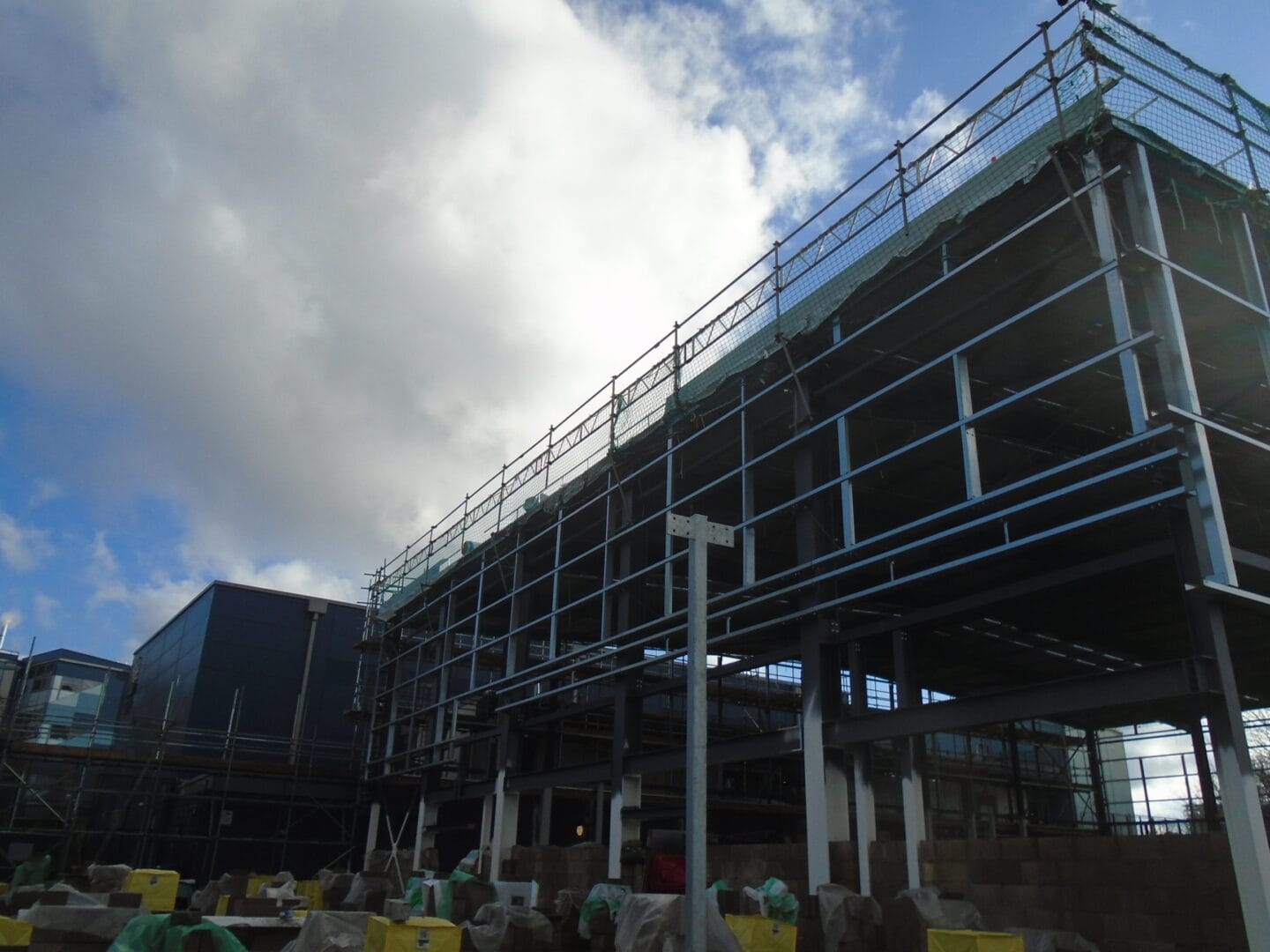
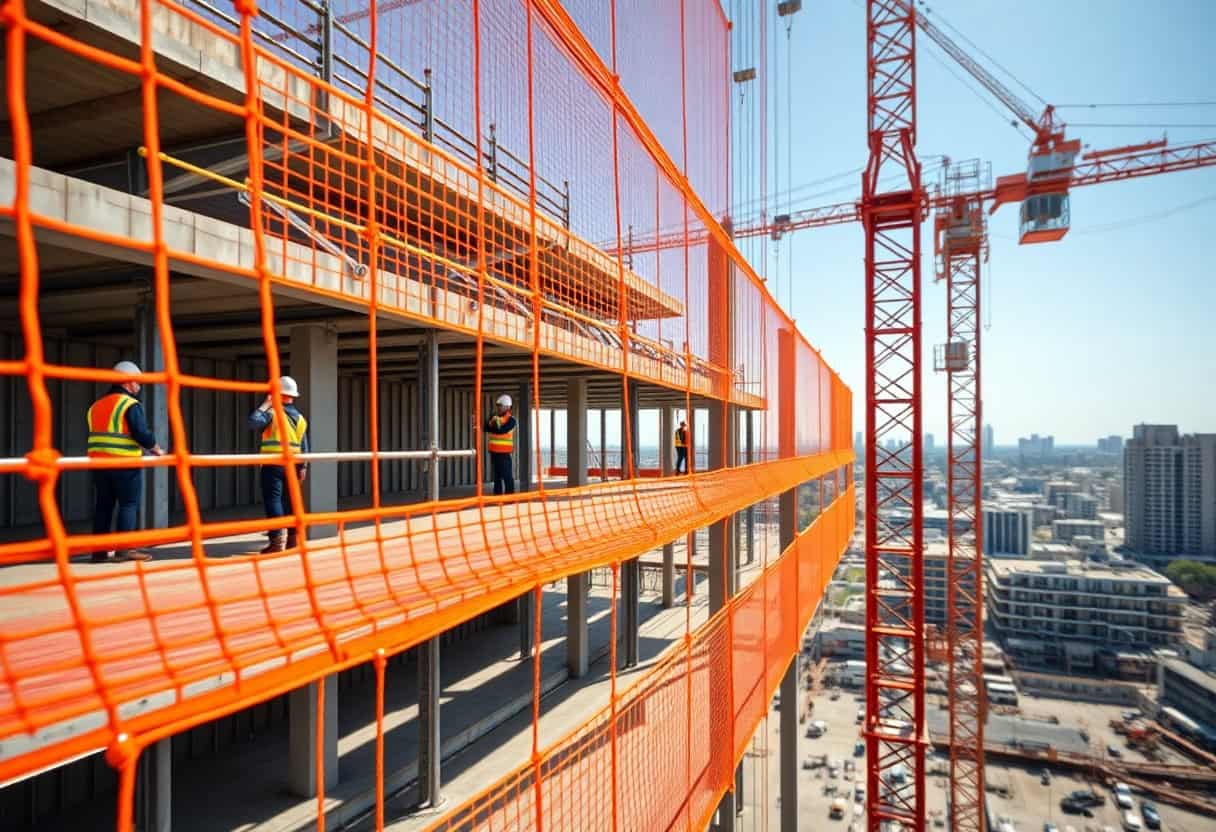
Nets are commonly used for façade refurbishment, new build scaffolding, bridge maintenance and demolition; for example, a 10‑storey façade project may require perimeter nets plus below‑work catch nets to manage both personnel safety and falling debris. You should coordinate net placement with scaffold loads, pedestrian exclusion zones and material hoisting to maintain site safety.
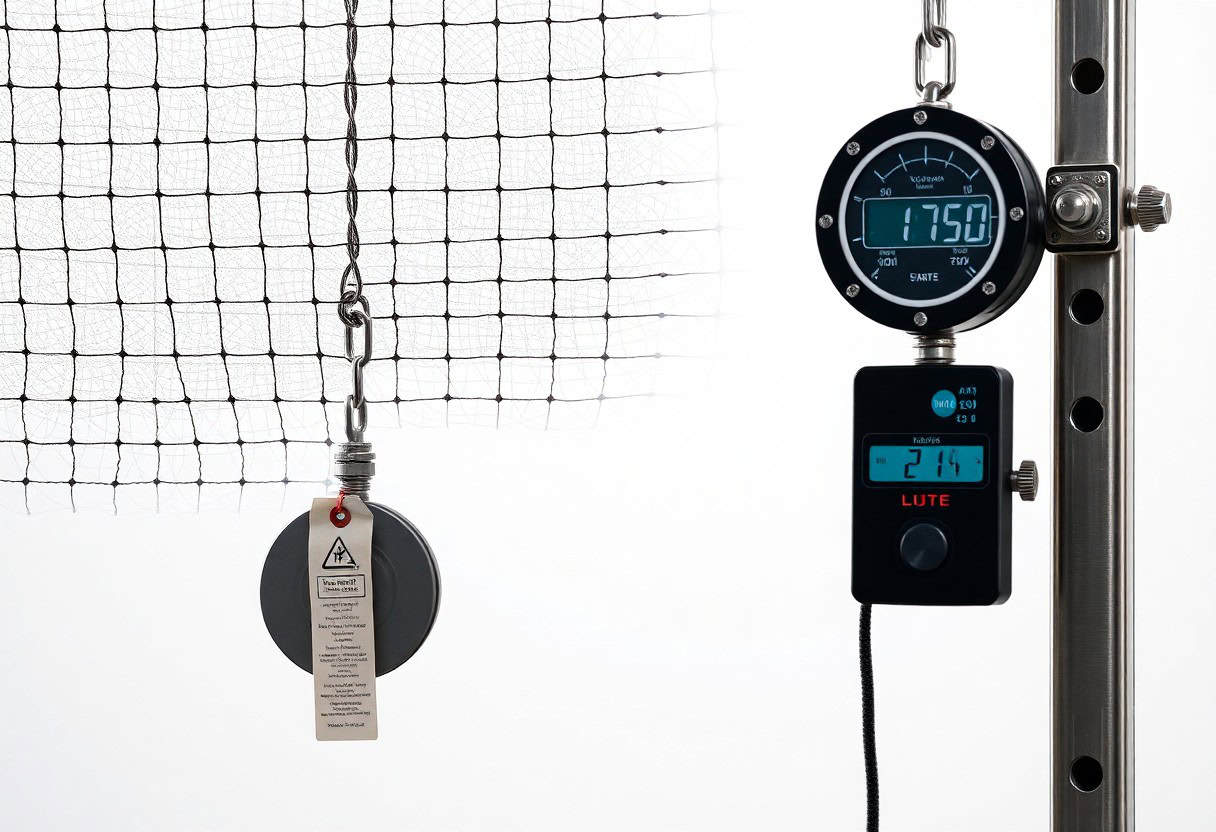
After specifying net class and material, you must verify installation spacing, edge rope tension and certified fixings-case studies show incorrectly spaced anchors or under‑tensioned edge ropes reduce energy absorption by over 30%-so conduct post‑installation inspections and load checks before permitting live work beneath the net.
Installation Guidelines
You must install nets to BS EN 1263-1 standards, using certified components and documented procedures; follow manufacturer guidance and site-specific risk assessments, and link to supplier resources such as Safety Nets • Fall Arrest Netting. Ensure anchor ratings (≥10 kN), correct spacing (2-4 m) and trained personnel are in place before mounting to mitigate fall and penetration hazards.
Pre-Installation Checks
You should conduct a detailed site survey: verify substrate strength, confirm edge protection, record fall heights, check components for damage, and ensure PPE, competent installers and documented load ratings are available; perform a pre-install inspection immediately before work starts.
Pre-Installation Checklist
| Check | Action |
|---|---|
| Site survey | Measure fall heights, access routes, obstructions |
| Components | Inspect nets, ropes, connectors for wear or damage |
| Anchors | Confirm load rating ≥10 kN and correct spacing (2-4 m) |
| Personnel | Verify installer competence and PPE availability |
| Documentation | Have risk assessment, method statement and handover records |
Step-by-Step Installation Process
You start by marking and installing anchors, then lay out and attach the net progressively, tensioning and securing each edge; test connections and record measurements, ensuring net sag and anchor loads meet manufacturer and BS EN 1263-1 requirements before handover.
Installation Steps Overview
| Step | Detail |
|---|---|
| Mark anchors | Set positions at 2-4 m intervals per layout |
| Install anchors | Fit rated fixings and verify torque/settings |
| Deploy net | Lay flat, avoid twists, attach perimeter first |
| Tension & secure | Apply even tension, adjust to manufacturer tolerances |
| Functional check | Inspect connectors, perform pull tests, log results |
You should document each phase: record anchor positions, tension readings, installer names and a photographic handover; carry out a dynamic check where specified and schedule formal inspections every 6-12 months or after any impact event.
Detailed Actions & Records
| Action | Record |
|---|---|
| Anchor verification | Load rating, torque/setting, installer name |
| Tension readings | Measured values and acceptable tolerance |
| Drop/functional test | Test method, mass used, outcome |
| Inspection log | Dates, findings, remedial actions |
| Handover certificate | Signed by competent person with photos |
Safety Considerations
When setting out netting, you must verify net type, anchorage capacity and required clearance beneath the system, and ensure installation follows BS EN 1263-1 and manufacturer instructions; train your team on exclusion zones and emergency retrieval. For broader context on working at height procedures, consult Work at Height in the Construction Industry – Part 3. Do not use damaged nets and ensure anchor points meet rated loads before any live operations.
Risk Assessment
You should quantify hazards by assessing fall heights, debris trajectories, pendulum effects and proximity to plant; calculate potential impact energy (for example, a 1 kg tool falling 10 m yields ~98 J) and confirm the net and anchorage can absorb that energy. Also evaluate wind exposure, access routes for rescue and lifting operations. Use task-specific controls such as layered debris nets, exclusion zones and edge protection to address identified risks.
Maintenance and Inspection
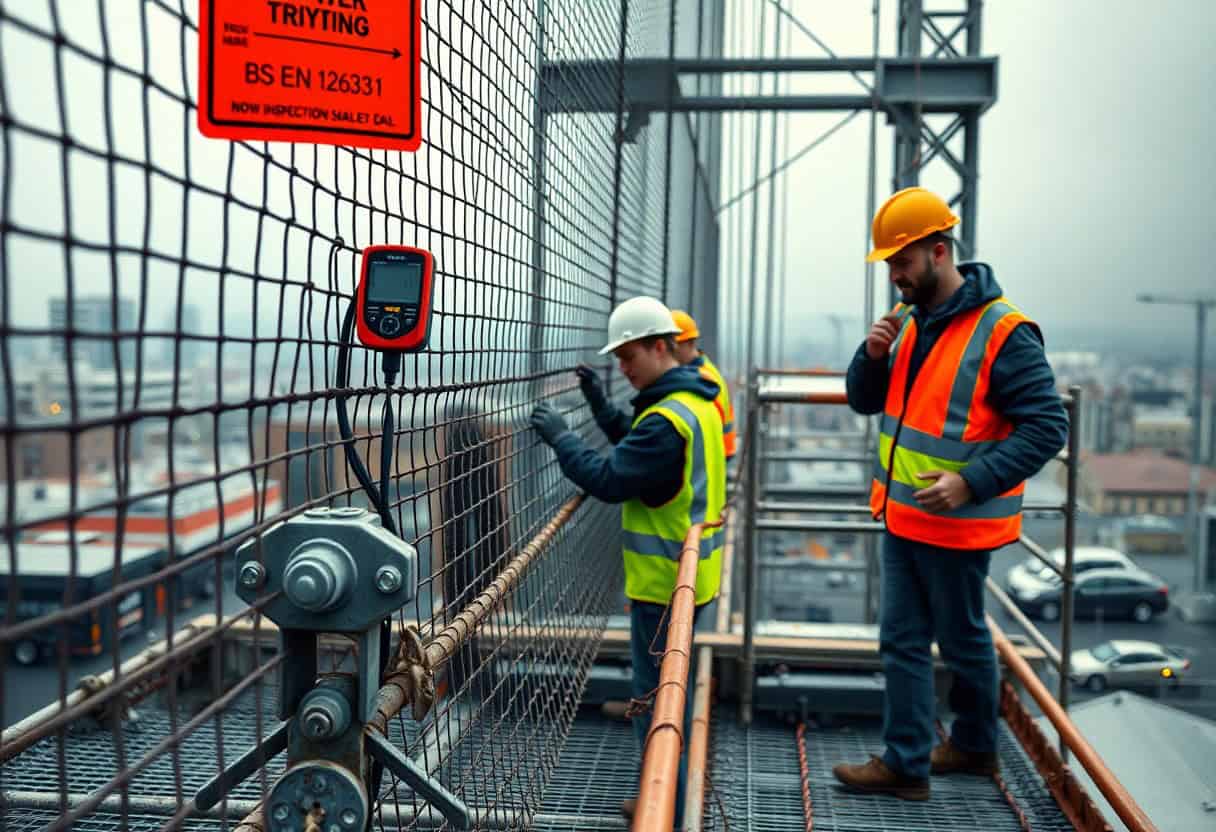
You must inspect nets before each shift and conduct a documented inspection at least weekly, plus immediately after any fall, storm or abnormal event. Check for cuts, frayed ropes, UV degradation, damaged knots and corroded fixings; tag out and remove any defective items. Keep inspection records to demonstrate compliance and support lifecycle decisions.
For maintenance, you should follow manufacturer schedules for washing, tensioning and storage-keep nets dry, clean and away from chemicals that cause polymer degradation. Pay particular attention to chafing points at fixings and junctions where abrasion commonly initiates failure. Record serial numbers, installation dates and repairs so you can track service life and justify replacement before residual strength falls below required limits.
Compliance and Regulations
Legal Requirements
You must meet BS EN 1263-1 alongside the Work at Height Regulations 2005 and CDM 2015, providing a written risk assessment, method statement and evidence of competent installers. Follow manufacturer installation loads, anchorage positions and testing regimes, keep documented inspection records and ensure nets are tensioned and secured to specified anchor capacities. Failure to maintain traceable records or to appoint a competent person for installation and periodic checks breaches statutory duties and voids many warranties and insurance coverages.
Consequences of Non-Compliance
Non-compliance can lead to HSE improvement or prohibition notices, civil claims for damages and substantial financial penalties; in cases involving death or gross negligence you may face criminal prosecution. Beyond fines, you risk significant reputational damage, project delays and increased insurance premiums, while a single failure can produce multiple injured workers and long-term business disruption.
In practice, enforcement has seen companies prosecuted with penalties commonly in the tens or hundreds of thousands of pounds, and some high-profile cases exceeding £1 million; directors and site managers have received custodial sentences where negligence was proven. You should expect prolonged investigations, legal costs and compensation claims – for example, a covered fall that halts a project can add weeks of downtime and push overall costs into six figures, so compliance typically offsets far greater downstream losses.
Case Studies
Several project examples show how adherence to BS EN 1263-1 and correct safety netting design alters outcomes: you can see where proper anchoring prevented injuries and where poor maintenance caused near-misses, providing immediate, actionable lessons for your site teams and planners.
- 1. High-rise refurbishment, London – 18-storey façade: safety netting installed to BS EN 1263-1, 24m fall containment, anchor spacing 1.8m, no incidents in 14 months; saved estimated £120k in lost-time costs.
- 2. Industrial plant retrofit, Manchester – mezzanine collapse avoided: net absorbed 7.2kN peak force during a tool-drop event; post-incident inspection found no fibre failure, net recertified.
- 3. Bridge maintenance, Bristol – temporary nets failed due to UV-degraded mesh after 30 months; replacement mandated at 28 months in revised maintenance schedule.
- 4. Residential build, Glasgow – incorrect perimeter tie-off (2.6m instead of 1.5m) increased deflection by ~22%, resulting in net relocation and re-tensioning within 48 hours.
- 5. Stadium renovation, Liverpool – contractor used certified components and documented procedures; audits showed full compliance with Work at Height Regulations and zero recordable incidents over 22 months.
Successful Installations
You benefit when nets are installed by trained teams using certified components to BS EN 1263-1; one project reported zero fall-through incidents, reduced insurance premiums by 12% and faster inspection sign-off due to clear documentation and torque-controlled anchors.
Lessons Learned from Failures
When you face failures, they usually stem from degraded materials, incorrect anchor spacing or absent inspection records; a case where UV damage went unnoticed led to a near-miss, highlighting the danger of deferred maintenance and the need for rigorous pre-use checks.
To prevent repeats you must implement scheduled inspections (monthly visual, annual detailed), log every installation with anchor torque and spacing, retire nets showing >5% fibre wear or after major impacts, and train staff on recognising mesh fatigue; these measures reduced repeat failures by 85% in one company study.
To wrap up
With these considerations, your grasp of BS EN 1263-1 will ensure safety netting is specified, installed and maintained to required performance, aligned with risk assessments, training and inspection regimes, and will support compliance with regulations and liability management; apply the standard consistently and document decisions to protect people and projects.
FAQ
Q: What does BS EN 1263-1 cover and why is it important for safety netting?
A: BS EN 1263-1 specifies the performance requirements, test methods and general design principles for safety nets used to protect persons from falling during construction and maintenance work. It defines how nets are tested for energy absorption and retention, sets manufacturing and material quality expectations, and describes vital characteristics that determine a net’s suitability for a particular application. Compliance ensures that installed nets provide predictable fall-arrest behaviour, have been independently verified by testing, and conform to recognised industry criteria for performance and safety.
Q: What are the principal installation and design requirements under BS EN 1263-1?
A: The standard requires that net systems are designed to arrest falls safely by considering fall-height, anticipated impact energy and system deformation. Design must specify anchorage points, spacing of supports, net overlap details and securing methods consistent with the manufacturer’s instructions and validated calculations. Installers must avoid contact with sharp edges or abrasive surfaces, ensure adequate clearance beneath the working level to accommodate net deflection, and use compatible fixings and edge restraints. All components should meet the standard’s material and strength criteria and the system must be installed so that its test-verified performance is not compromised by configuration or tensioning.
Q: Who is responsible for compliance, and what inspection and maintenance practices does the standard require?
A: Responsibility is shared: designers must specify an appropriate net system and anchorage arrangement, installers must follow design and manufacturer guidance during erection, and site managers must maintain safe conditions and recordkeeping. The standard requires pre-use inspections, regular routine checks and additional inspections after any impact event, severe weather, chemical exposure or visible deterioration. Damaged or degraded nets and components must be removed from service, and a documented maintenance and inspection regime should be retained, showing dates, findings and corrective actions. Personnel carrying out inspections and installations should be competent and trained in the standard’s requirements and the specific net system in use.