Falls from height remain the single biggest cause of fatal injuries in the UK construction industry. On sites where trades are regularly working at height — roof structures, floor openings, stairwells, structural steel — passive fall protection systems like Mansafe safety netting provide a critical layer of protection that keeps workers safe.
At Red Safety Netting, Mansafe system installation is at the core of what we do. Here’s how these systems work in practice, where they’re most valuable, and why installation quality and ongoing maintenance are what determine whether a system actually performs when it’s needed.
What Mansafe Safety Netting Does
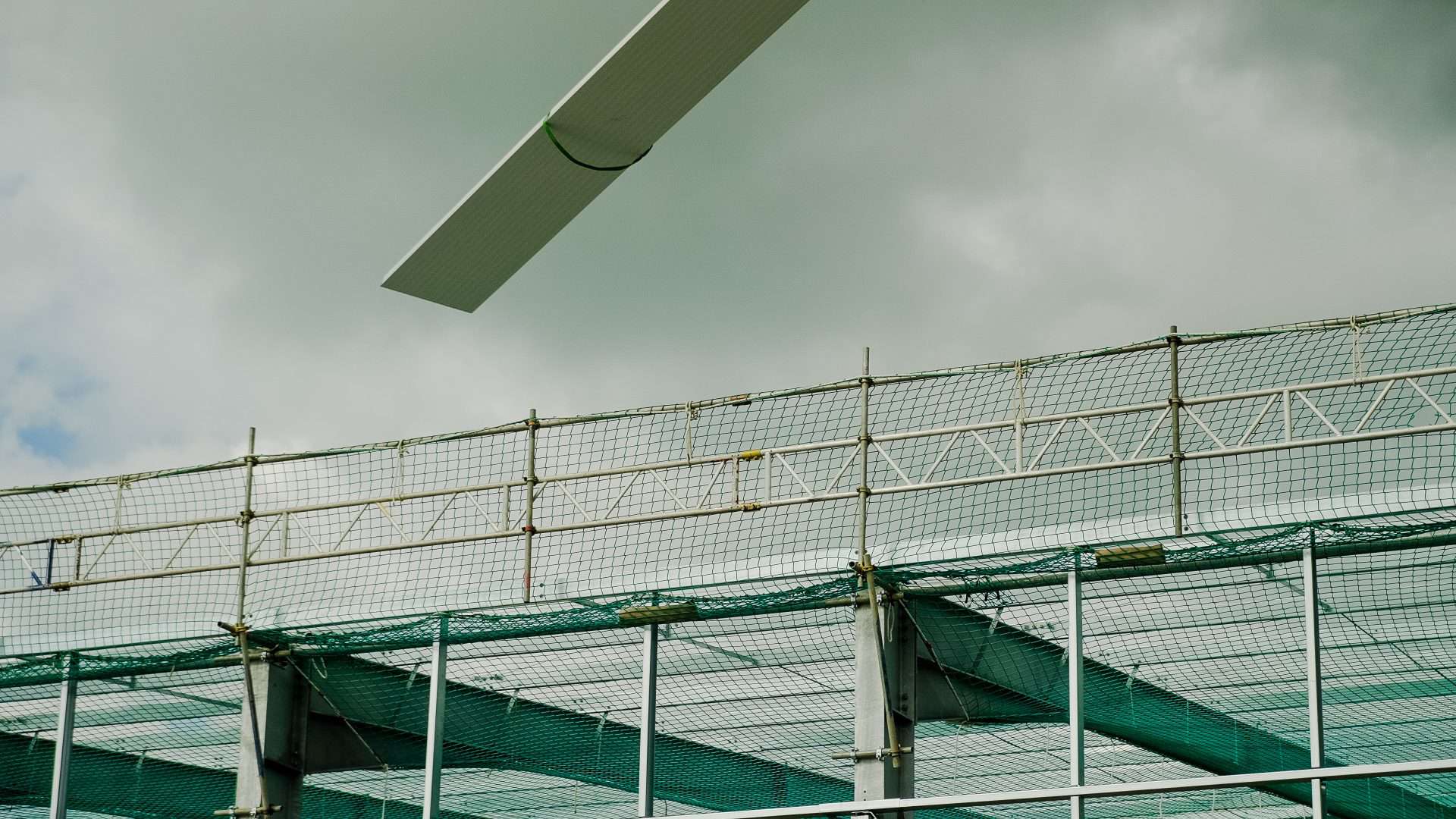
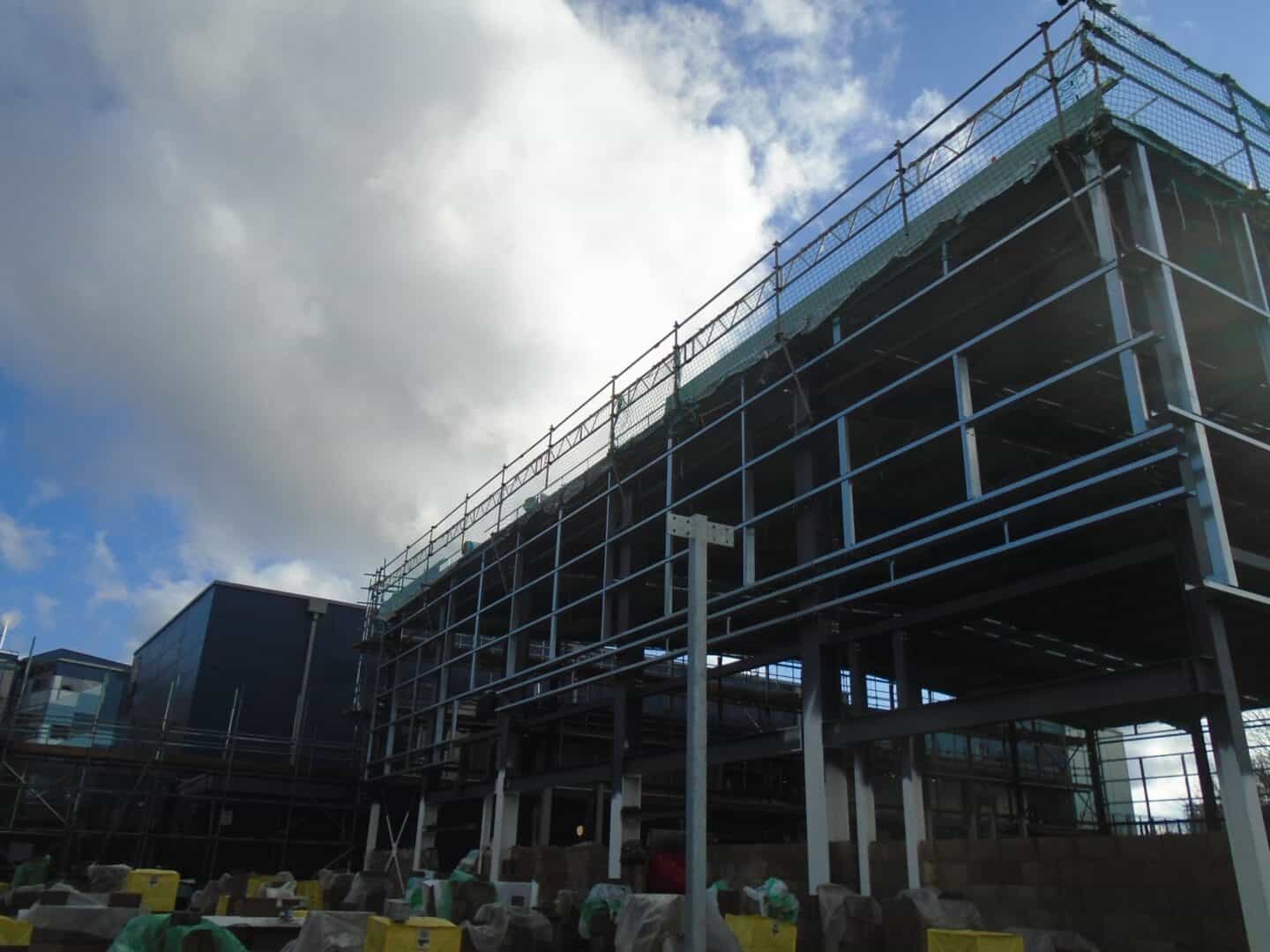
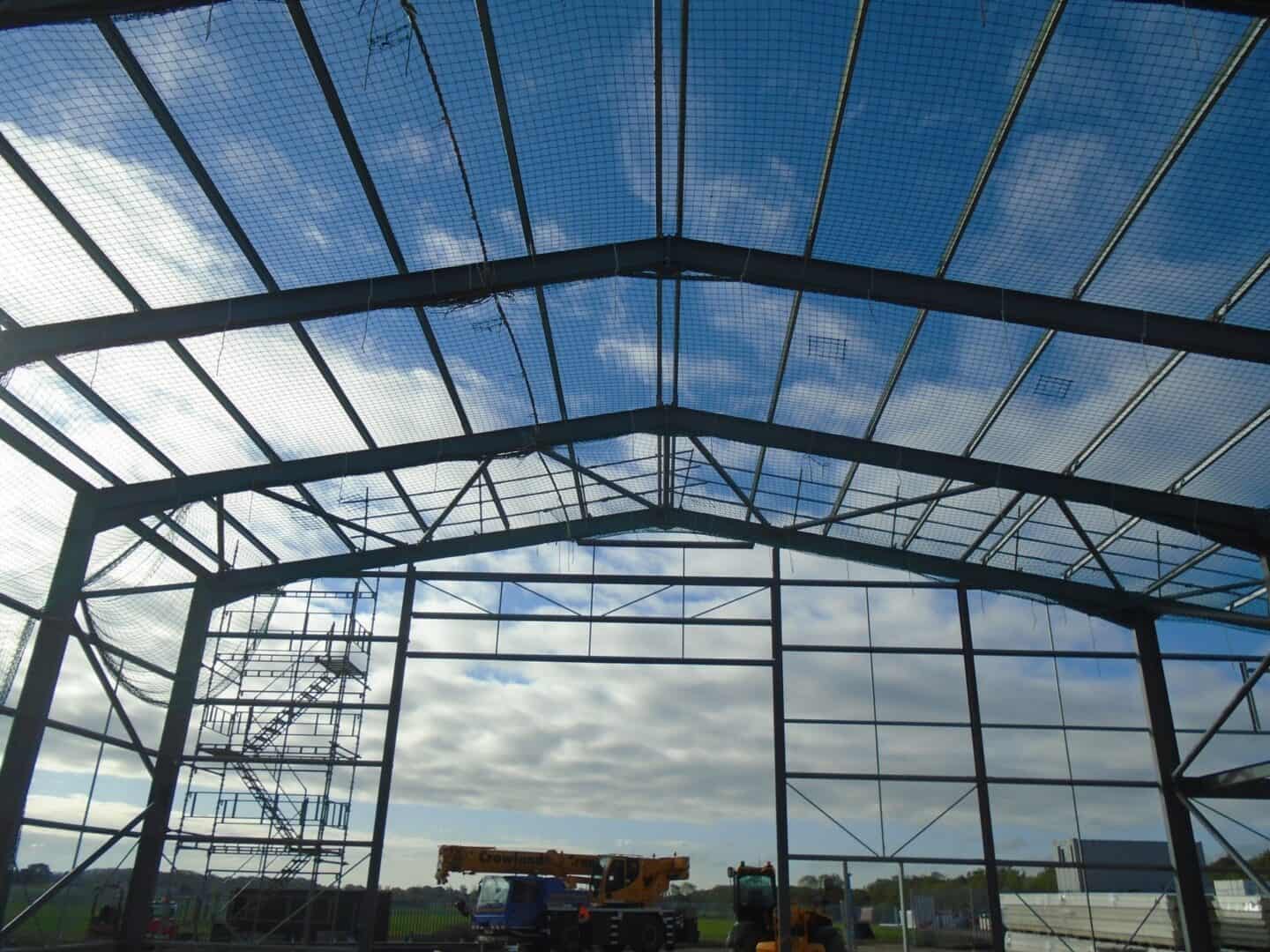
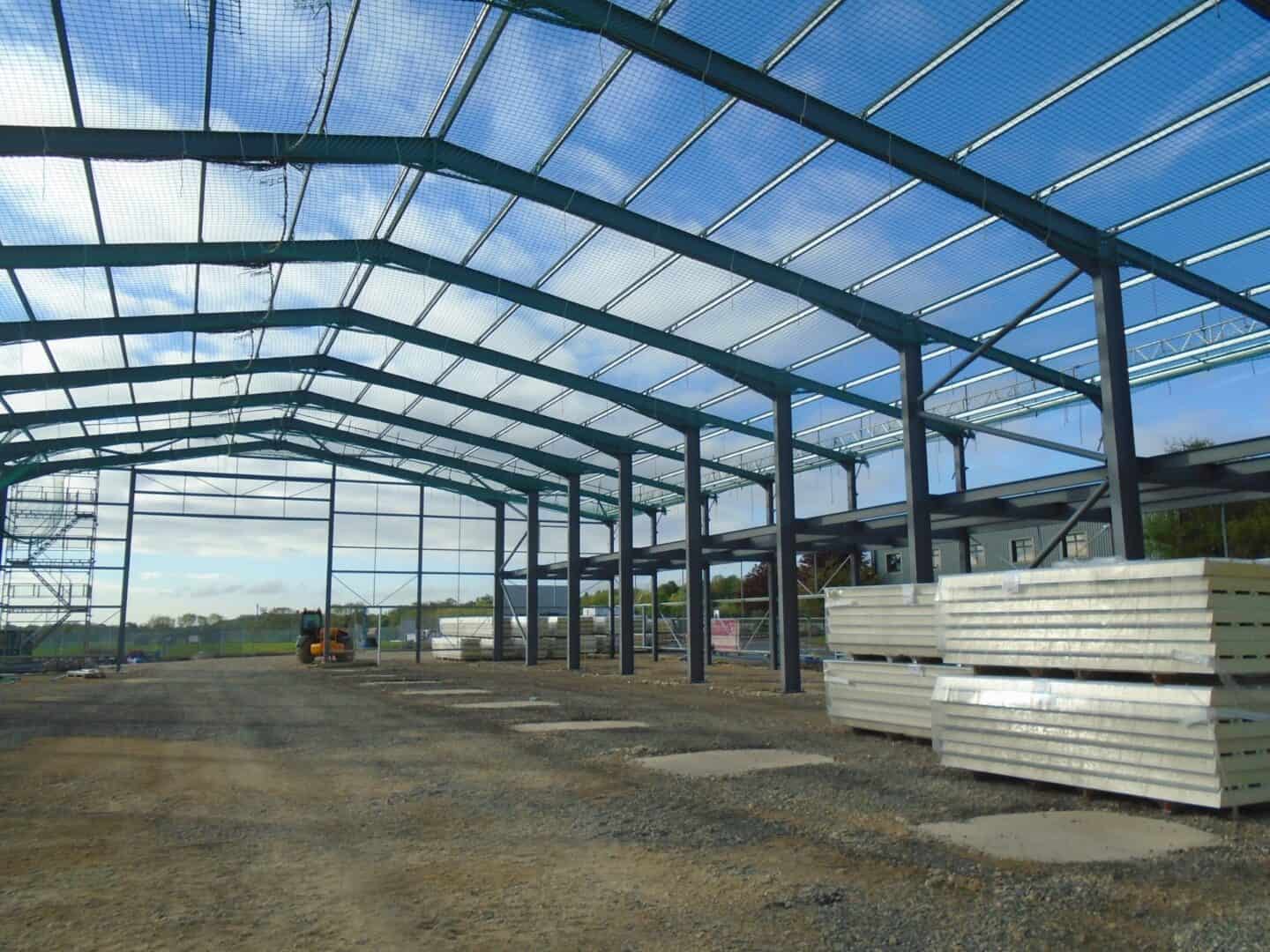
Mansafe safety netting is installed beneath working areas to catch operatives in the event of a fall before they reach the structure or ground below. Unlike edge protection or personal fall arrest equipment — which either prevent a fall from happening or arrest it at the point of the fall — safety netting provides passive protection across a working area. It doesn’t rely on an operative remembering to clip on, or a guardrail being in the right position. It’s simply there, beneath the work area, doing its job continuously.
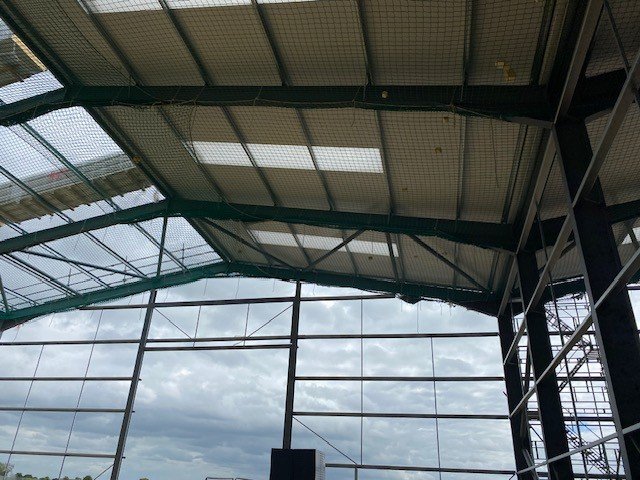
On new build residential developments, Mansafe netting is typically installed within roof structures and at floor openings, providing protection for roofers, carpenters, and other trades working at height in the early stages of the build. On larger commercial and industrial projects, it may be used across multiple levels as the structure rises.
Where It Makes the Biggest Difference
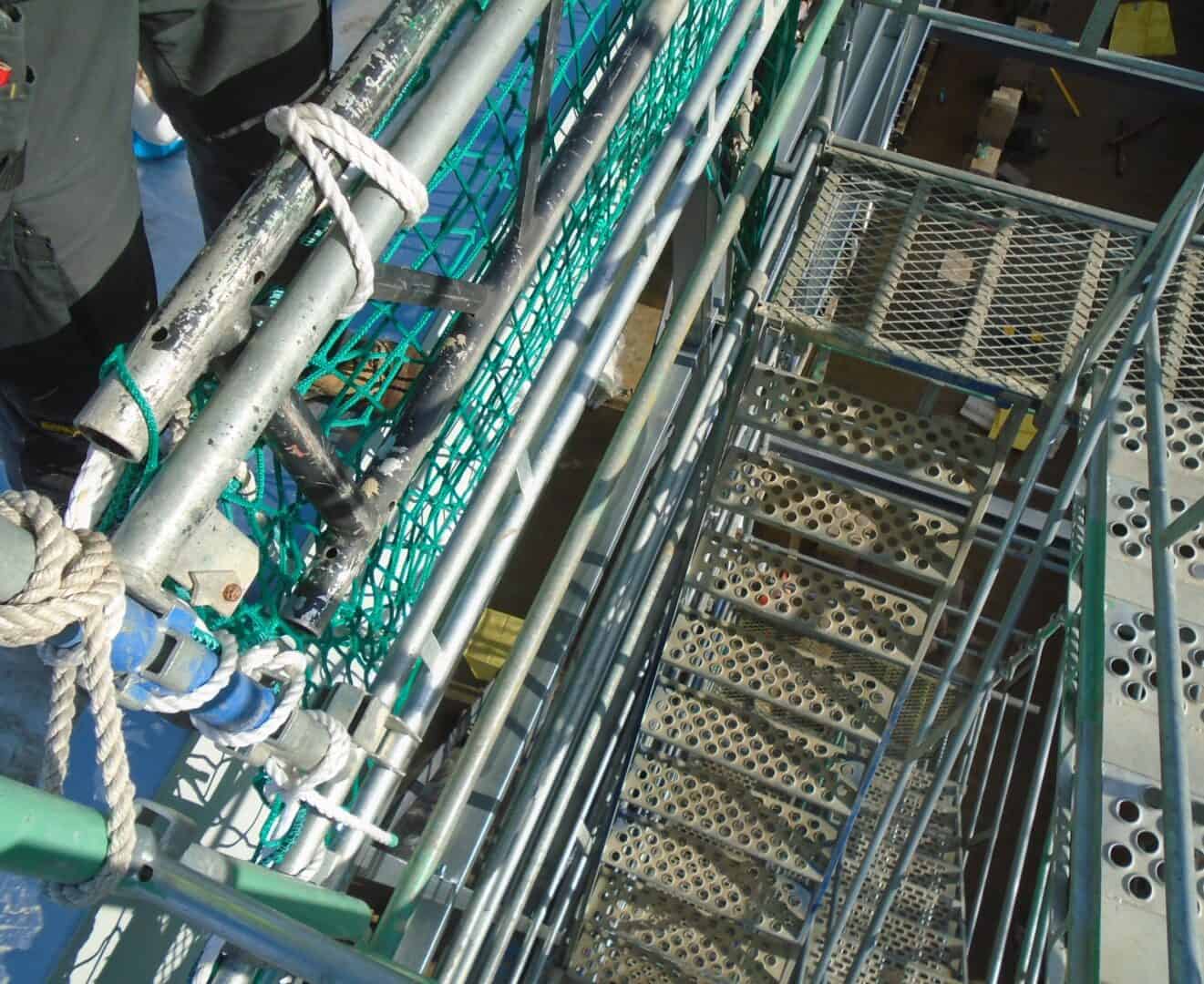
The environments where Mansafe netting adds most value are those where other forms of fall protection are impractical, incomplete, or need to be repeatedly moved as work progresses. Roof structures being tiled or felted, open floor decks during frame construction, stairwell openings before permanent stairs are installed — these are the high-risk areas where passive netting provides consistent protection without interfering with the work being carried out above.
On sites where multiple trades are working at height simultaneously, netting provides a safety net — literally — for the interactions and movements that fall outside the scope of individual personal protective equipment. An operative moving between work areas, a piece of material dropped unexpectedly, a momentary lapse in clipping on — netting catches what other systems miss.
Why Installation Quality Is Everything
A Mansafe system that isn’t correctly installed doesn’t just fail to protect — it may create a false sense of security that makes a serious incident more likely. The energy absorption performance of a safety net depends entirely on it being installed to the correct specification — the right net type for the application, correctly tensioned, anchored to anchorages with adequate load capacity, and installed with the correct clearance below.
Every Red Safety Netting operative is FASET accredited, which means they’ve been trained specifically in Mansafe installation requirements and assessed against a defined industry standard. We don’t use untrained labour on safety-critical installations. The anchorages we use are selected and verified for the specific structure, the tension is set to manufacturer specification, and the installation is documented before we hand over.
Maintaining Performance Throughout the Project
Safety netting doesn’t stay in installation condition indefinitely. UV exposure, weather, construction debris, and the general activity of a busy site all affect the condition of installed nets over time. FASET requirements include regular inspection of installed systems — and Red Safety Netting manages this inspection schedule throughout every project, not just at installation.
Our inspections check net condition, verify anchorage integrity, confirm that clearances haven’t been compromised by changes to the structure below, and ensure that the system continues to perform to its design specification. Principal contractors and site managers receive documented inspection records, giving them an ongoing audit trail that demonstrates the fall protection system on their site is actively maintained.
After a Fall Event
If a safety net is subjected to a fall — whether it arrests a person or catches falling materials — it must be taken out of service and inspected before it can be returned to use. The energy absorption event may have affected the net’s structural integrity in ways that aren’t visible to the naked eye. Red Safety Netting responds promptly to post-fall inspections, assessing the system, replacing it where required, and reinstating protection as quickly as possible to keep the site safe and the programme moving.
Working Across Construction and Industrial Projects
Red Safety Netting has worked across a wide range of environments — new build residential developments, commercial construction, industrial facilities, and public sector projects including schools. Whatever the environment, our approach is the same: FASET-accredited installation, thorough documentation, ongoing inspection, and a clear response process if anything changes or goes wrong.
If you’d like to discuss Mansafe safety netting for your next project or request our FASET accreditation documentation, contact the Red Safety Netting team today.