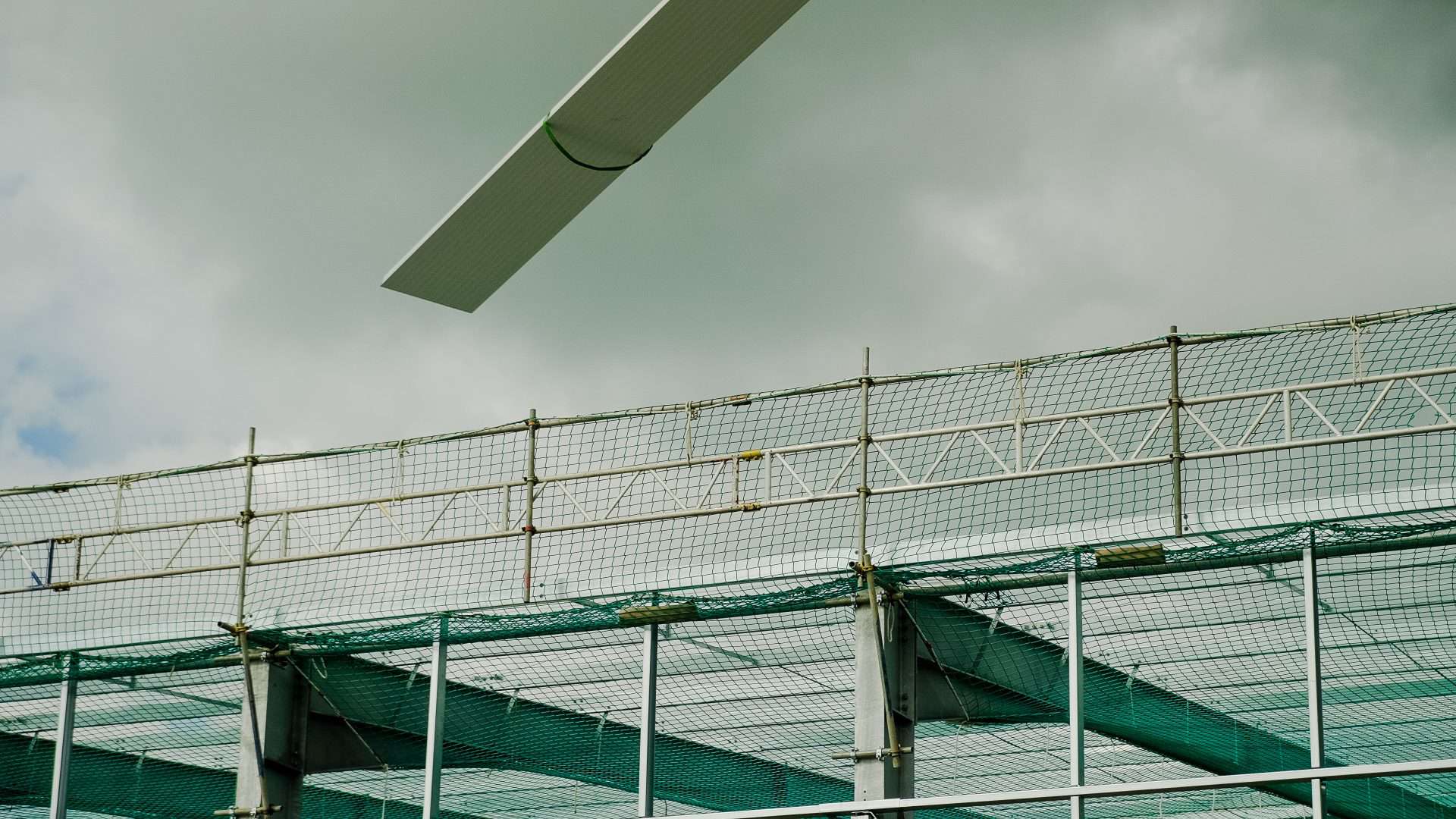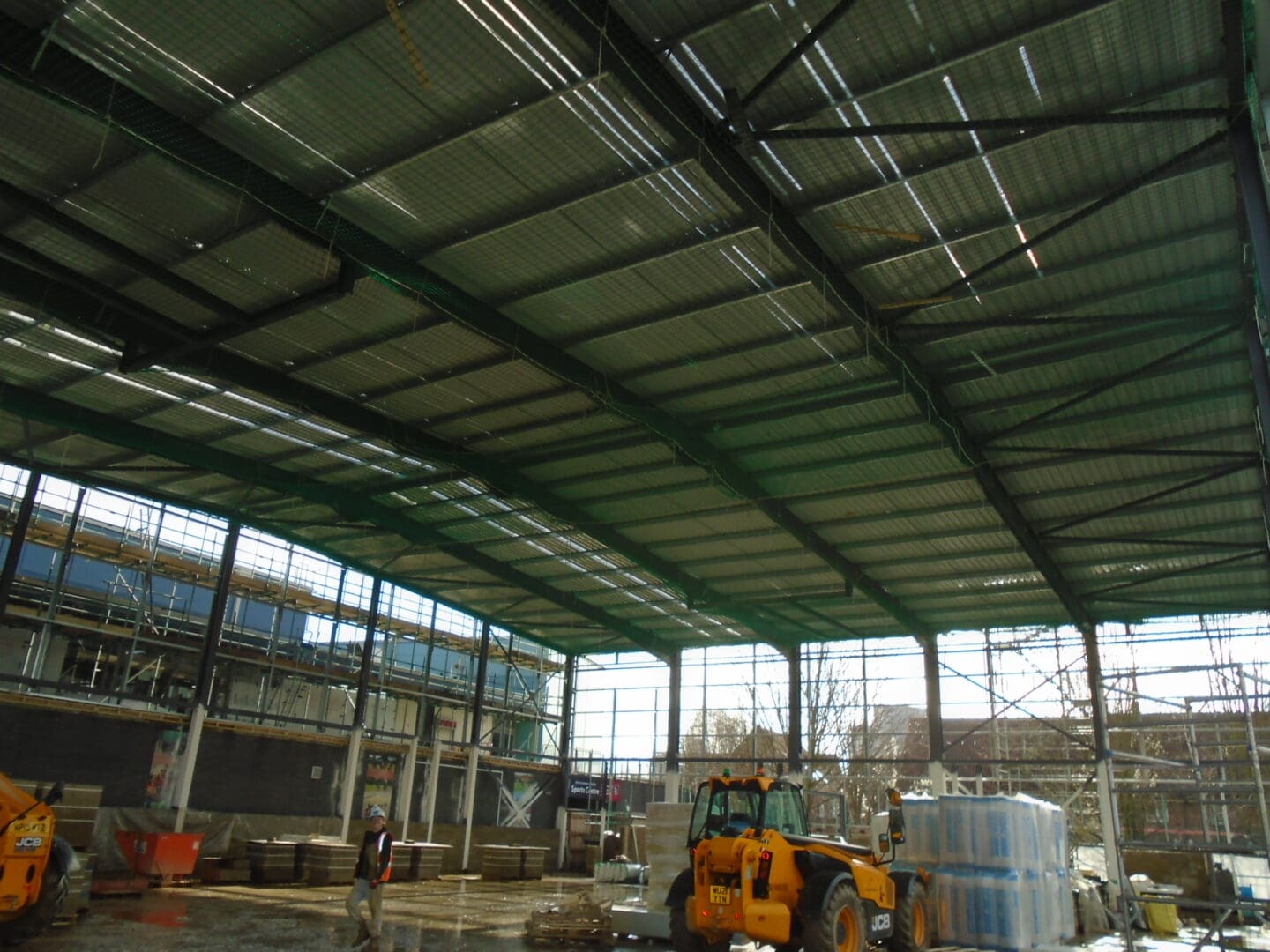
You must understand how safety netting fits within the hierarchy of fall protection so you can choose measures that reduce risk; netting is typically a last-resort, collective measure used when elimination, substitution, engineering controls or personal fall arrest are impractical. Because falls from height remain one of the most deadly workplace hazards, you should view netting as impact-mitigating containment rather than primary prevention; used correctly, it can significantly reduce injuries and save lives while you apply higher-order controls where possible.
The Hierarchy of Fall Protection
Placed in descending order of effectiveness, the hierarchy ranks elimination, substitution, engineering, administrative controls and then PPE; you should pursue higher‑order fixes first. For detailed guidance and implementation examples see What is the Hierarchy of Fall Protection? Safety nets sit within the engineering/collective tier and are manufactured and tested to standards such as EN 1263‑1.
Levels of control: elimination, substitution, engineering, administrative
When you apply the levels, elimination removes the need to work at height (for example doing work at ground level), substitution uses safer methods or equipment, engineering provides physical barriers like guardrails or nets, and administrative controls rely on procedures, permits and training. Prefer elimination or engineering measures because they reduce reliance on human behaviour and typically lower incident rates more than administrative steps or PPE.
Collective vs. personal protective approaches
Collective measures protect multiple people at once-guardrails, edge screens and safety nets-while personal protective equipment (harnesses, lanyards) protects individuals. You get broader, behaviour‑independent protection with collective options; nets, for example, protect whole teams beneath a work area and reduce the need for perfectly‑timed user response.
In practice you should combine approaches: use guardrails, roof stagings as the primary defence and safety netting as secondary and reserve harnesses for tasks where collective measures cannot be fitted. Also factor in inspection and maintenance schedules, rescue planning and training; a well‑maintained net compliant with EN 1263‑1 plus trained crews often yields the best operational safety and productivity trade‑offs.
Safety Netting: Purpose and Types
You use safety netting to catch people and falling objects when collective controls like guardrails or collective fall protection cannot be applied, and nets are routinely positioned beneath scaffolds, formwork and open edges to reduce impact forces and secondary injuries. You should treat nets as a planned last-resort control and ensure integration with rescue and inspection routines.
- Purpose: arrest falls and contain debris
- Deployment: under workfaces, scaffolds, edges
- Limitations: not a substitute for restraint systems
- Inspection: after any impact and on schedule
- Integration: tie into rescue and rigging plans
Aspect | Detail
Primary use | Arrest personnel falls and catch tools/debris
Typical placement | Beneath platforms, roofs scaffolds, openings
Common materials | Synthetic knotless nets (polyester/nylon)
Inspection trigger | After impact, weather event or periodic checks
Limitations | Not for vertical lifeline replacement
Types of safety nets and materials
You will encounter knotless synthetic nets (polyester/nylon) for personnel arrest, knotted rope nets for lower-cost debris control and coated steel-mesh systems for heavy-object containment; mesh size, tensile strength and UV resistance determine suitability. Any nets chosen must match site loading, exposure and rescue access requirements.
- Knotless synthetic: high energy absorption
- Knotted rope: economical, lower dynamic capacity
- Steel-mesh: for high-mass debris containment
- Coatings: UV and chemical resistance enhance life
- Ropes/webbing: rated for specified breaking loads
Type | Typical use
Knotless polyester | Personnel arrest; high energy absorption
Knotted nylon | Debris control; budget applications
Steel-mesh | Heavy-object containment, industrial sites
Composite nets | Hybrid solutions for mixed hazards
Accessory hardware | Edge ropes, bridle assemblies, anchorage
Applicable standards and performance criteria
You must align nets with recognised standards such as EN 1263-1 and 2, which define installation, testing and inspection requirements, including drop-test performance, mesh/opening limits and documentation. After-the-fall inspection and documented maintenance are specified by these standards to ensure continued performance.
For practical compliance, you should ensure nets pass prescribed drop tests and are installed as close as practicable under the work surface; manufacturers supply certified test reports and maximum allowable deflection data. You need inspection records retained, immediate removal of nets after any impact or detected damage, and trained personnel for rigging and retrieval – combining standardised test evidence, regular site checks and a documented rescue plan gives you verifiable, auditable protection aligned with regulatory expectations.
Where Safety Nets Fit in Practice
On busy sites you’ll often see nets used as a practical, passive defence beneath high-risk work such as roofing, façade installation and bridge repairs; they’re governed by standards like EN 1263-1-2 and, in some jurisdictions. For guidance on selecting suitable systems consult How to Choose Fall Protection Nets for Construction Sites, noting dynamic energy absorption ratings and certified load capacities before specifying your system.
Appropriate use-cases and placement within the hierarchy
When you can’t install edge protection or collective platforms, nets become the preferred passive measure beneath work areas; typical use-cases include façade access, tower scaffolds and crane handovers. Install directly under the work deck with sufficient clear space below, inspect before each shift and after any impact, and ensure nets meet label ratings – engineers often specify nets for spans up to 10 m and to pass multiple drop tests to EN standards.
When nets are secondary to collective measures or PPE
Often you’ll have nets as a secondary defence where collective measures like guardrails, work platforms or mobile scaffolds are the primary control; nets then act as a back-up to reduce injury severity if those systems fail. For example, on a building with full edge protection you may still deploy nets beneath cantilevered sections during demolition to catch falling debris or personnel.
More practically, you must treat nets as arrest systems-not prevention; you should keep harnesses and lanyards in use where required, ensure clearance beneath nets is adequate ( as per FASET guidance no more than 6.1 m between work level and net where practicable), replace any net that has arrested a fall and keep documented inspections and load-test records to demonstrate safe integration with your other controls.
Load, clearance, anchorage and deformation requirements
You must design nets to the performance figures in BS EN 1263-1, using the manufacturer’s dynamic test data and a minimum safety factor of 2 for attachments. Calculate free-fall clearance by adding predicted net deflection to fall height and platform offsets; typical clearances range from 1-6 metres depending on net depth. Ensure anchors are certified and sized to resist the large dynamic loads generated during impact, and verify deformation limits on installation.
Site-specific planning and integration with structures
You should start with a full site survey and structural review so you can place nets without creating new hazards; map parapets, beams and services, then coordinate attachment points with the structural engineer. In refurbishment projects you may need bespoke brackets or scaffold-integrated anchors to maintain required clearances. Prioritise access routes for rescue and maintenance and document installation using labelled anchor certificates and as-built drawings.
When planning, use modelling (CAD/BIM) to verify no impact zones and adjust net positions or add cantilevers accordingly; for example, a 3 m predicted deflection may force you to shift edge works or design a support bracket. Specify certified fixings with traceable batch numbers, schedule inspections at least monthly (or after any significant impact), and ensure you can recover a fallen worker within the site rescue timescale.
Limitations, Risks and Failure Modes
When you rely on safety netting within the fall-protection hierarchy you must accept its specific failure modes: nets are not impact-absorbing like harness systems and can allow rebound, penetration by sharp objects and hazardous edge gaps if not overlapped or tensioned correctly; standards such as EN 1263-2 use a 100 kg test mass to validate performance, so you need to align specification and site conditions. Thou assess these limitations against work height and exposure.
- Rebound – secondary impacts can occur if net deflection is excessive.
- Penetration – debris, tools or scaffold tubes can breach meshes or attachments.
- Edge gaps – improper edging or overlap creates fall-through zones.
- Thou ensure anchors, overlaps and declared test standards match the risk profile.
Inherent limitations: rebound, penetration, edge gaps
You must factor that nets arrest energy by deflection, so a large drop height or heavy mass increases rebound and secondary strike risk; meshes can allow penetration from puncturing objects or concentrated loads and connections near openings produce edge gaps that defeat containment-EN 1263-1 testing with a 100 kg test mass demonstrates behaviour under ideal conditions but on-site variables change outcomes.
Environmental, human and installation error factors
Your net’s performance degrades with exposure to UV, chemicals, abrasion and corrosion of fittings; common human errors include incorrect tensioning, wrong anchorage points and inadequate overlap, while installers sometimes misread manufacturer spacing, creating local overloads and unexpected deflections. Thou verify environmental compatibility, competent installers and documented inspection regimes.
More detail shows that salt-laden atmospheres accelerate corrosion of shackles and anchors, solvents can weaken synthetic fibres, and repeated abrasion at chafe points reduces net strength-training gaps account for many failures where installers exceed permitted span or under-tension nets; you should log torque values, anchor ratings and inspection dates. Thou act on inspection findings without delay.
- UV and chemical degradation – reduces polymer tensile strength over time.
- Incorrect anchorage – anchors below manufacturer rating cause premature failure.
- Installation errors – incorrect spacing or tension increases deflection and rebound.
- Thou maintain written inspection records and corrective action logs.
Inspection, Maintenance and Training
You must schedule routine checks for safety nets: inspect visually before every shift, perform detailed examinations every 12 months and always after a fall or impact. Follow manufacturer service-life guidance, log findings and track repairs. Practical maintenance includes cleaning debris, tension adjustments and replacing worn components promptly. Effective oversight reduces hidden degradation that can turn a net from a protective measure into a hazard.
Inspection intervals, recordkeeping and repair criteria
Carry out quick visual checks daily, detailed inspections every 12 months and immediate assessments after any impact. Keep an inspection log with dates, inspector, defects and remedial action for at least three years. Replace nets showing torn panels, broken attachment points or frayed webbing, and follow manufacturer’s end-of-life guidance (commonly 5-10 years) rather than ad-hoc fixes.
Worker training, rescue planning and coordination
Provide initial and annual refresher training covering net inspection, load limits and safe access; include practical drills. Draft a written rescue plan, run full-scale rescue drills twice a year and coordinate roles with contractors and emergency services. You should assign trained rescuers, ensure rescue equipment is immediately available and log drill times and outcomes to improve response.
In your training programme, include modular sessions: theory on standards and load ratings, hands-on net rigging and post-fall retrieval techniques, plus communication drills. Schedule tabletop exercises every three months and full-scale rescues twice yearly, timing recoveries and aiming for worker retrieval within 10 minutes to reduce the risk of suspension trauma. Use realistic loads (mannequins or weighted dummies of 80-100 kg), practise rope-haul systems and stretcher extrication, and integrate site first responders so handover and equipment compatibility are routinely tested.
Final Words
Summing up, safety netting serves as a passive, secondary layer within the hierarchy of fall protection: it reduces harm when primary controls like elimination, substitution, guarding or collective measures fail, complements guardrails and work-restraint systems, and supports rescue and recovery, so you should treat nets as a planned contingency in your risk-based control strategy rather than as a substitute for higher-order protections.